

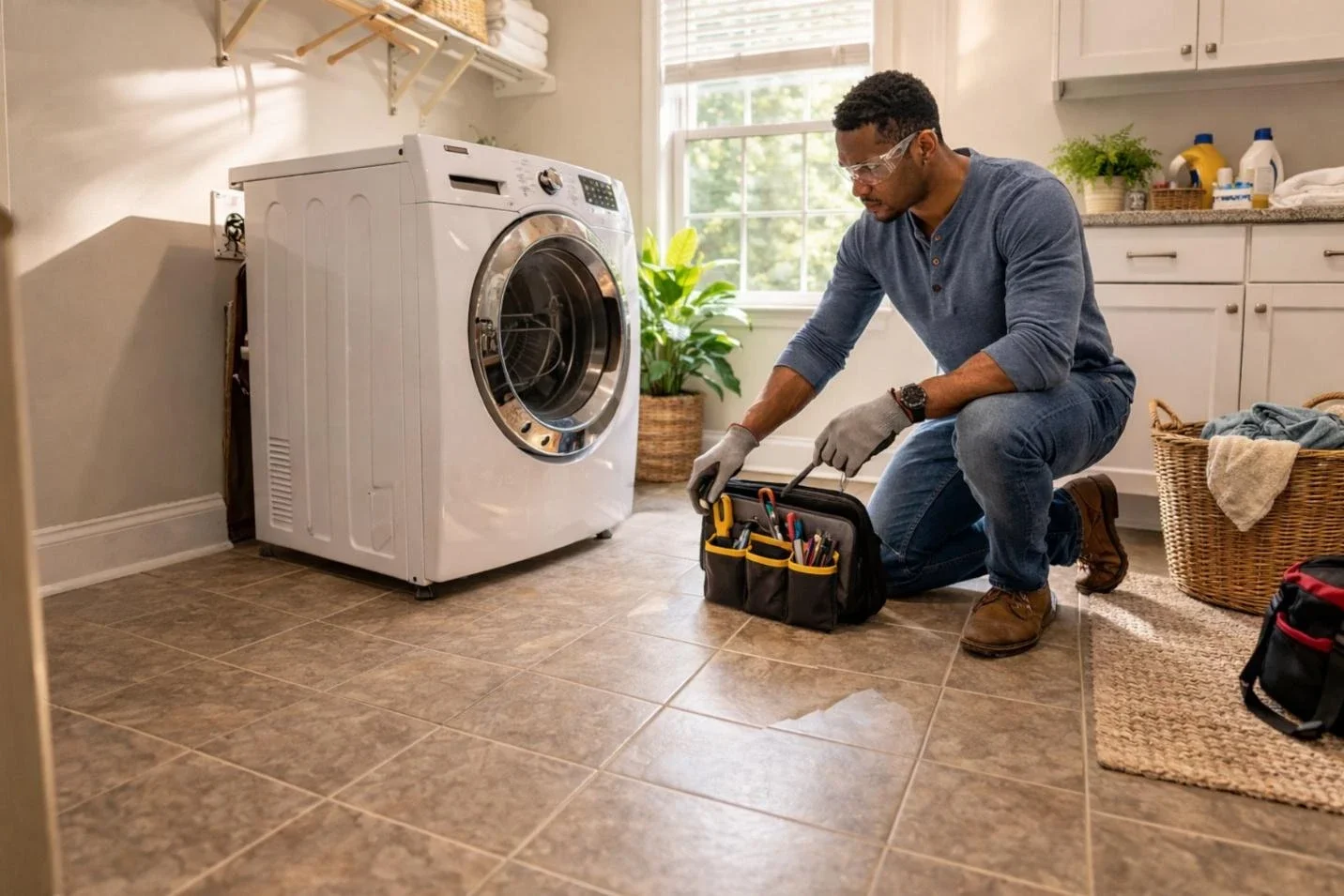
Home appliances are an essential part of modern living, helping you manage daily tasks like cooking, cleaning, and food storage with ease. However, when an appliance stops working properly, it can disrupt your routine and create unnecessary stress. One of the most common dilemmas homeowners face is deciding whether to fix the issue themselves or call a professional technician.
While some appliance problems are simple enough to handle with basic tools and minimal knowledge, others involve complex systems that require expert attention. Understanding the difference between DIY-friendly fixes and situations that demand professional repair can help you avoid safety risks, prevent further damage, and save money in the long run.
If you’re unsure about the severity of an issue or want reliable assistance, exploring reliable appliance repair in Buford can ensure your appliances are repaired safely and efficiently.
Key Takeaways
- Minor appliance issues can often be handled safely at home
- Electrical, gas, and internal component problems require professional repair
- DIY fixes can save money but should be approached cautiously
- Early detection of issues prevents costly breakdowns
- Professional repair ensures safety, accuracy, and long-term reliability
Why It’s Important to Know the Difference?
Not all appliance problems are equal. While some are minor inconveniences, others can pose serious safety hazards. Attempting to fix a complex issue without proper knowledge can lead to electrical shocks, gas leaks, or irreversible damage to the appliance.
On the other hand, relying on professional repair for every small issue can be unnecessary and costly. The key is to strike the right balance, handling simple maintenance tasks yourself while recognizing when expert intervention is required.
Benefits of Making the Right Decision
- Reduces the risk of accidents and safety hazards
- Prevents worsening of minor issues
- Saves time and avoids repeated repairs
- Helps maintain appliance efficiency and lifespan
Appliance Issues You Can Fix Yourself
Many common appliance problems are simple and do not require technical expertise. These issues usually involve cleaning, minor adjustments, or replacing easily accessible parts.
Common DIY Fixes
- Cleaning clogged filters- Dishwashers, washing machines, and air vents often accumulate debris that affects performance
- Replacing refrigerator light bulbs or door seals- These are simple fixes that don’t require specialized tools
- Unclogging dryer lint traps and basic vent cleaning- Regular cleaning improves efficiency and safety
- Resetting circuit breakers or checking power supply- Many appliances stop working due to simple electrical interruptions
- Adjusting appliance settings- Incorrect temperature or cycle settings can often cause performance issues
These tasks are generally safe as long as basic precautions are followed, such as unplugging the appliance before starting any work.
Appliances That Are Generally DIY-Friendly
Some appliances are designed in a way that allows homeowners to handle minor maintenance without professional help.
Examples of DIY-Friendly Appliances
- Refrigerators- Cleaning condenser coils, adjusting temperature, and checking door seals
- Washing Machines- Cleaning filters, balancing loads, and checking hoses
- Dryers- Cleaning lint traps and ensuring proper ventilation
- Dishwashers- Removing debris, cleaning spray arms, and checking filters
Regular maintenance of these appliances can prevent many common problems and reduce the need for repairs.
When DIY Repairs Become Risky?
While DIY repairs can be helpful, there is a limit to what should be handled at home. Problems involving internal components, wiring, or gas systems can quickly become dangerous.
Attempting such repairs without proper knowledge may not only fail to fix the issue but can also worsen the condition of the appliance or create safety hazards.
Warning Signs That DIY Isn’t Enough
- The appliance continues to malfunction after basic fixes
- You notice burning smells or excessive heat
- There are visible sparks or electrical issues
- Water or gas leaks are present
- The appliance stops working completely
In these cases, it’s best to stop troubleshooting and seek professional help immediately.
Appliance Problems That Require Professional Repair
Certain issues require specialized tools, technical expertise, and safety precautions that only trained technicians can provide.
Situations That Need Expert Attention
- Electrical problems- Faulty wiring, short circuits, or power failures
- Gas appliance issues- Gas leaks or ignition problems
- Compressor or motor failures- Found in refrigerators, AC units, and washing machines
- Internal component damage- Issues involving sealed systems or internal mechanisms
- Persistent or recurring problems- Problems that keep returning despite attempts to fix them
Professional technicians can accurately diagnose these issues and provide reliable, long-term solutions.
High-Risk Appliances You Should Not Repair Yourself
Some appliances involve systems that are inherently dangerous to handle without proper training.
Appliances That Require Professional Handling
- Gas stoves and ovens- Risk of gas leaks and fire hazards
- Refrigerators (internal repairs)- Refrigerant handling and compressor issues
- Dryers (internal components)- Heating elements and motor systems
- Washing machines (major faults)- Drum, motor, or electrical issues
Trying to repair these appliances yourself can be unsafe and may also void manufacturer warranties.
How Professional Repair Saves Time and Money
While DIY repairs may seem cost-effective, they can sometimes lead to additional expenses if done incorrectly. Professional technicians not only fix the issue but also identify underlying problems that may not be immediately visible.
Benefits of Professional Repair
- Accurate diagnosis of the root cause
- Safe handling of complex components
- Reduced risk of repeat issues
- Improved appliance performance
- Extended lifespan of the appliance
In many cases, a single professional repair can prevent multiple future breakdowns.
Simple Maintenance Tips to Reduce Repairs
Preventive maintenance plays a key role in reducing the need for both DIY fixes and professional repairs.
Easy Maintenance Practices
- Clean appliances regularly to prevent buildup
- Avoid overloading machines beyond capacity
- Ensure proper ventilation and placement
- Inspect hoses, filters, and seals periodically
- Address minor issues before they escalate
These simple habits can significantly improve appliance efficiency and reliability.
Conclusion
Knowing which appliance issues you can fix yourself and when to call a professional is essential for maintaining a safe, efficient, and hassle-free home. While DIY solutions are ideal for minor maintenance and simple fixes, more complex or high-risk problems should always be handled by trained technicians.
By understanding your limits and taking timely action, you can prevent costly damage, improve appliance performance, and extend the lifespan of your household systems. For homeowners in Buford, combining smart DIY practices with reliable professional repair ensures your appliances continue to support your daily routine without interruption.
FAQs
Is it safe to repair appliances at home?
It is safe for minor tasks like cleaning or replacing simple components, but complex repairs involving electrical or gas systems should always be handled by professionals.
What is the biggest risk of DIY appliance repair?
The main risks include electrical shock, gas leaks, and causing further damage to the appliance if repairs are done incorrectly.
Can DIY repairs void appliance warranties?
Yes, many manufacturers void warranties if unauthorized repairs are attempted, especially for internal components.
How do I know when to call a professional?
If the issue involves electrical faults, gas systems, internal components, or persists after basic troubleshooting, it’s best to call a technician.
Are professional repairs worth the cost?
Yes, professional repairs ensure accurate fixes, improve safety, and often save money by preventing repeated issues or major breakdowns.
Top of Form
Bottom of Form