
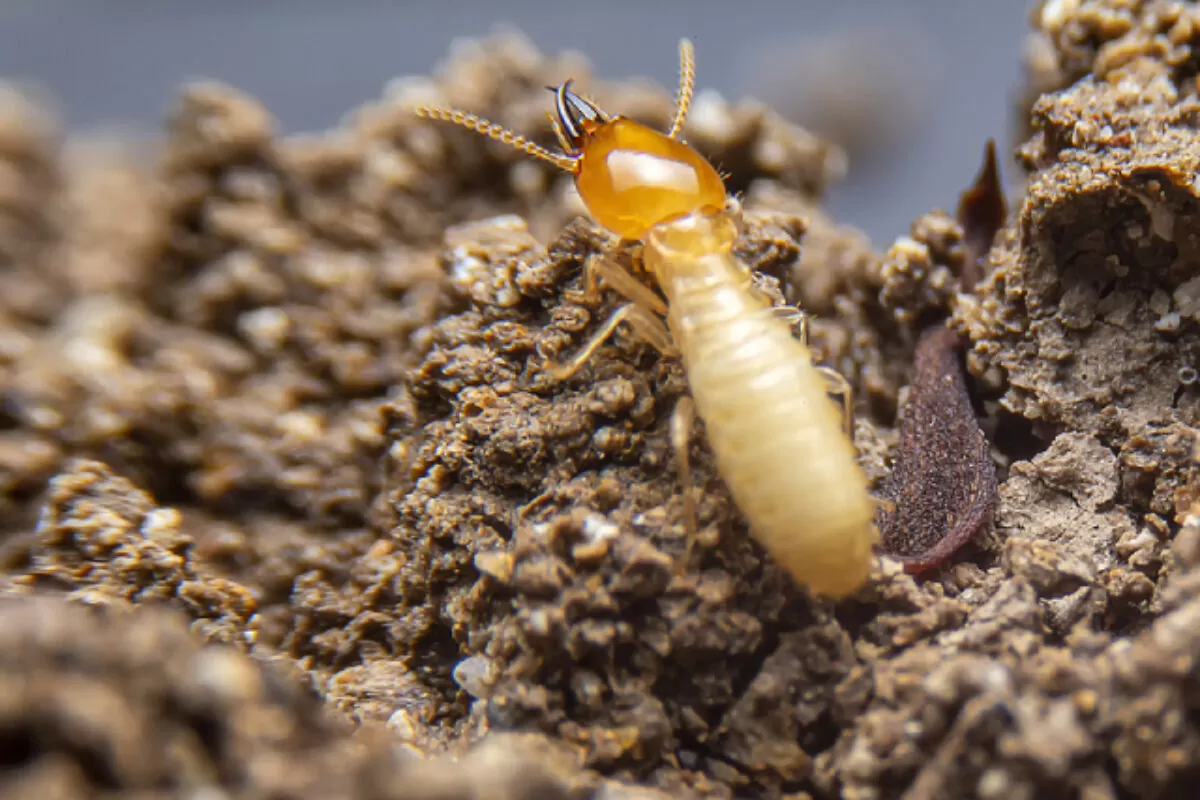
Termites are never wanted in any home because of their destructive nature. These pests can compromise structural integrity without being noticed for a long time. They feed on cellulose in wood, paper, and other plant-based materials. Sadly, homes provide these materials.
The climate in Tumwater can have the perfect conditions that termites love. Homes built with wood framing or surrounded by landscaping are at risk of structural damage if infestations go unchecked. Thankfully, homeowners can always turn to Pointe Pest Control technicians to help them address infestations, no matter how serious it might be. Keep reading to know how dangerous termites can be:
Subterranean Termites Are Common
Subterranean termites build colonies in the soil and travel through mud tubes to reach wood. They usually enter homes through foundations, crawl spaces, and basements. These species work quietly. They may leave behind hollow-sounding wood or small piles of frass, but the colony itself stays hidden. These termites can weaken beams, joists, and support structures.
Drywood Termites Can Infest Furniture
Drywood termites attack wood with lower moisture content, such as furniture, window frames, and decorative woodwork. They do not require soil contact, which allows infestations to appear anywhere in the home. Signs of their presence may include tiny holes on surfaces and small piles of wood debris. Unlike subterranean termites, drywood colonies are self-contained within the wood they inhabit. A single piece of furniture can harbor a colony and spread to other wooden areas if moved.
Damage Often Goes Unnoticed
Termites chew wood from the inside out, leaving the outer layer intact. This creates hollow sections that can weaken support structures without visible signs. Homeowners in Tumwater may discover termite activity only when boards sag, doors stick, or walls develop cracks.
How Termites Enter Homes
Termites require access to cellulose and moisture. Subterranean termites enter through foundation cracks, expansion joints, or gaps around utility lines. Moist soil, mulch, and wooden structures close to the foundation attract them.
Drywood termites often hitch rides in wooden furniture, pallets, or lumber. They begin feeding without needing soil. Homes with secondhand furniture, older wood, or wooden décor remain at higher risk.
Structural Impact Can Be Severe
Termites attack the parts of a home that provide strength and stability. Beams, joists, subfloors, and roof supports are vulnerable to these pests. Damage may not be visible until it affects door frames, floors, or walls. Even small infestations can compromise critical supports. The longer termites remain undetected, the higher the risk of structural failure.
Termites Can Spread Quickly
A termite colony can grow steadily, with workers continuously feeding and reproducing. Subterranean colonies may contain hundreds of thousands of termites. Drywood colonies, though smaller, spread by infesting nearby wooden structures. Seasonal rainfall and mild temperatures in Tumwater extend termite activity. Swarming termites disperse to start new colonies, which increases the risk for neighboring homes.
Moisture Drives Infestations
Termites thrive in moisture. Leaks, poor drainage, and damp soil near a foundation make homes more attractive. Crawl spaces with limited ventilation create ideal conditions. Water-damaged wood, such as from roof leaks or plumbing issues, accelerates feeding. Proper grading, gutter maintenance, and ventilation limit the appeal of structures to termites.
Damage Can Be Costly
The financial impact of termite damage can be substantial. Repairing structural wood, replacing furniture, and treating affected areas involves significant expense. Preventive inspections and early treatment programs reduce repair costs and protect home value. Professional termite control offers long-term protection.
Preventive Measures are Important
Homeowners can reduce risk by addressing potential entry points and food sources. They should seal cracks, remove wood debris near the foundation, and keep mulch away from home walls. Regular inspections are also important. Termites often work unseen for months or years. Checking foundations, wooden beams, and areas with high moisture helps detect colonies early. Professional inspections provide thorough coverage and treatment options if necessary.


