

Enhancing Home Value Through Structural and System ImprovementsHigh-Return Exterior and Envelope Upgrades
Every homeowner considers ways to increase their property’s value. While cosmetic updates are appealing, the most impactful improvements often lie beneath the surface or enhance essential systems. Making smart, informed renovation choices is crucial for boosting your home’s worth, not just its appeal.
This guide will explore strategic structural and system upgrades that offer a significant return on investment (ROI). We’ll look at projects that improve durability, energy efficiency, and overall functionality. Understanding which improvements truly pay off can transform your home into a more valuable asset. For example, ensuring your home’s systems, like its Bend high desert HVAC, are in top condition is a key factor.
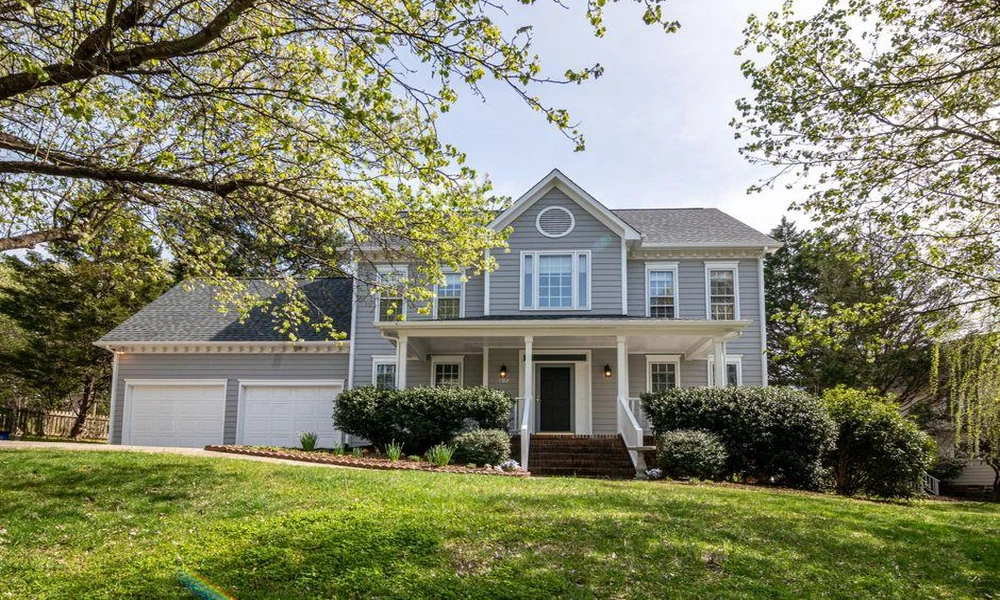
When evaluating home value improvements, we often find that the first impression is the most lasting. Exterior and envelope upgrades consistently deliver some of the highest returns on investment because they directly impact curb appeal and the perceived condition of the home. Buyers form opinions within seconds of seeing a property, making these projects incredibly valuable.
Consider the garage door, for instance. According to 2026 Cost vs. Value reports, replacing a garage door can yield an exceptional ROI, often exceeding 190%. This project is relatively low-cost but dramatically enhances the home’s facade, which can account for a significant portion of the front-facing exterior. Similarly, a steel entry door replacement is another top performer, with reports indicating returns well over 200%. These doors not only improve aesthetics but also offer enhanced security and energy efficiency, factors highly valued by prospective buyers.
Manufactured stone veneer is another standout. Applying this to the home’s facade can provide a striking visual upgrade, often recouping more than double its cost at resale. It adds texture, character, and a sense of permanence that elevates the home’s exterior appeal.
Beyond these specific projects, broader exterior considerations like siding replacement also play a crucial role. Fiber-cement siding and vinyl siding replacements offer strong returns by improving the home’s insulation, durability, and overall appearance. These are often seen as “defensive” improvements, preventing value loss by addressing wear and tear and modernizing the home’s exterior.
The roof, as a critical component of the home’s envelope, is another area where investment pays off. A well-maintained or new roof protects the entire structure and is a major selling point. For homeowners looking to understand the benefits of a sound roof on their property’s market appeal, exploring resources on Roofing for improved home value can provide further insights into this essential aspect of home maintenance and enhancement. Addressing the roof before listing can prevent buyer objections and ensure a smoother sale process.

Maximizing ROI with Strategic Home Value Improvements
While exterior projects often lead in terms of raw ROI percentages, interior updates are equally vital for creating a move-in-ready appeal. The key here is strategy: minor, targeted improvements frequently outperform major, expensive renovations. We’ve observed a “diminishing returns” effect where over-investing in luxury finishes that exceed neighborhood comparables can actually reduce your effective ROI.
A fresh coat of interior paint is perhaps the most cost-effective way to refresh a home. It neutralizes spaces, makes rooms feel larger and brighter, and allows buyers to envision their own style without the distraction of dated colors. Reports suggest that interior paint can yield over 100% ROI, making it an undeniable priority for sellers. Similarly, updating flooring, whether through refinishing existing hardwood or installing new, attractive options like luxury vinyl planks, can significantly boost perceived value.
When it comes to larger interior projects like kitchen and bathroom remodels, the scope is everything.
Remodel Type Typical ROI (Approx. 2026) Key Strategy Minor Kitchen Remodel 95-115% Cosmetic updates, focus on functionality Major Kitchen Remodel 40-55% Extensive changes, often over-improves Midrange Bath Remodel 80-90% Modernize fixtures, improve aesthetics Upscale Bath Remodel 40-50% Luxury finishes, often exceeds buyer expectations As the table illustrates, minor remodels consistently offer superior returns compared to their major, upscale counterparts. This is because they address common buyer desires for updated, clean spaces without the prohibitive cost that luxury renovations entail.
Minor Kitchen Refreshes as Smart Home Value Improvements
The kitchen is often considered the heart of the home, and it’s a primary focus for buyers. However, a full gut renovation can be a financial black hole for ROI. Instead, we recommend strategic minor refreshes. These include cabinet refacing or painting existing cabinetry, which can drastically change the look of the kitchen without the expense of new custom units. Replacing countertops with popular materials like quartz or granite, updating hardware (knobs and pulls), and installing new, modern fixtures (faucets, lighting) can create a significant impact. Buyers appreciate functional storage and good workspace, so focusing on these elements over high-end appliances or custom layouts tends to yield better returns.
Bathroom Updates That Serve as High-Yield Home Value Improvements
Bathrooms, like kitchens, are high-traffic areas that buyers scrutinize. Minor updates here also deliver excellent value. Consider converting an old tub into a more spacious and accessible walk-in shower, which appeals to a broad demographic, including aging-in-place buyers. Installing low-flow fixtures can enhance energy efficiency, a growing concern for many homeowners. Replacing an outdated vanity with a modern one, upgrading lighting, and refreshing tile grout are all cost-effective ways to make a bathroom feel cleaner, more modern, and more appealing. Unless a home is severely lacking in bathrooms, updating existing ones generally offers a better ROI than adding a new one.
Essential System Upgrades: HVAC and Electrical
Beyond the visible aesthetics, the underlying systems of a home are critical to its value and functionality. Energy efficiency and reliable infrastructure are increasingly important to buyers, who are keenly aware of long-term operating costs and potential repair headaches.
Investing in energy-efficient HVAC systems can significantly impact a home’s appeal and resale value. Modern heat pumps and high-efficiency furnaces not only provide superior comfort but also drastically reduce utility bills. For example, heat pumps can use substantially less energy than traditional furnaces by transferring heat rather than generating it. High-efficiency furnaces, with AFUE ratings of 90% or higher, convert most of their fuel into usable heat, minimizing waste. Upgrading to a modern system, like those offered by HVAC specialists, ensures optimal performance. For homeowners in colder climates, ensuring their heating and cooling systems are up to date is paramount.
Smart thermostats are another excellent, low-cost upgrade. They allow for precise temperature control, remote management, and learning capabilities that optimize energy use, leading to noticeable savings. Beyond the primary heating and cooling units, improving ductwork and insulation also contributes to overall energy efficiency, preventing heat loss and ensuring consistent temperatures throughout the home.
The electrical system is another foundational component. In older homes, outdated wiring can pose significant safety risks and struggle to meet the demands of modern electronics and appliances. Signs like frequent breaker trips, flickering lights, or scorched outlets signal a need for attention. Whole-house rewiring, though a substantial project, is often a necessary safety upgrade that prevents fire hazards and ensures the home can handle current electrical loads, including EV chargers or smart home systems. Replacing old, potentially hazardous aluminum wiring with safer copper wiring is a critical investment. While it may not offer a direct, immediate ROI percentage like a garage door, it removes a major red flag for buyers, improves insurance eligibility, and provides invaluable peace of mind.
Structural Additions and Masonry Enhancements
Adding functional living space or enhancing outdoor areas can also significantly boost home value, provided these projects are executed thoughtfully and align with neighborhood norms.
Finishing a basement is a prime example. This project effectively adds square footage, which is a major driver of home value. Reports indicate that finishing a basement can provide a solid ROI, often around 70%, and can add tens of thousands to a home’s asking price. To maximize this return, we advise ensuring the finish quality matches the rest of the home and, crucially, including an egress window and a bathroom if possible. These additions transform a basement into truly livable, functional space.
Deck additions are another popular choice, capitalizing on the growing desire for outdoor living spaces. A wood deck addition typically offers a good return, allowing homeowners to expand their entertainment and relaxation areas. These spaces are increasingly valued by buyers, especially in regions with favorable climates.
Beyond decks, other high-ROI outdoor features include:
- Patios: Creating defined outdoor areas for dining or lounging.
- Basic Landscaping: Simple, well-maintained landscaping, including fresh mulch, healthy plants, and manicured lawns, enhances curb appeal significantly.
- Fire Pits/Outdoor Fireplaces: These add a luxury touch and extend the usability of outdoor spaces into cooler evenings.
- Front Porch Upgrades: Improving the entry experience with fresh paint, updated lighting, and comfortable seating.
For those considering more permanent and aesthetically pleasing exterior enhancements, exploring options for Masonry home value improvements can reveal how features like stone accents, brickwork, or retaining walls can add character, durability, and a custom feel that elevates a home’s market appeal. These structural and aesthetic improvements contribute to both the functionality and the perceived quality of the property.
Frequently Asked Questions About Home Renovations
We often hear similar questions from homeowners looking to make smart renovation choices. Here, we address some of the most common inquiries to help you navigate your improvement journey.
Which home improvements deliver the highest ROI?
Based on the latest 2026 Cost vs. Value reports, exterior projects consistently lead the pack. Garage door replacement, steel entry door replacement, and manufactured stone veneer are perennial top performers, often recouping well over 100% of their cost at resale. These projects create powerful first impressions and address fundamental aspects of curb appeal and home integrity.
How do minor remodels compare to major renovations?
Minor remodels almost always offer a better ROI than major, upscale renovations. This is due to the principle of diminishing returns; buyers are generally unwilling to pay a premium for luxury finishes that push a home’s value far beyond its neighborhood comparables. Minor kitchen refreshes and midrange bathroom updates, which focus on modernizing aesthetics and improving functionality without gutting the space, typically recoup a much higher percentage of their cost than full, high-end overhauls. The goal for resale is often “move-in ready” and “updated,” not necessarily “custom luxury.”
What projects should homeowners avoid before selling?
While personal enjoyment is a valid reason for any renovation, certain projects consistently show low or even negative ROI when selling. Swimming pools, for instance, are often polarizing; while some buyers love them, many view them as maintenance burdens and insurance liabilities, especially in colder climates. Highly customized features or luxury additions that don’t align with the neighborhood’s price point are also risky, as they narrow the pool of potential buyers and are unlikely to be fully recouped. Over-improving beyond the neighborhood ceiling is a common mistake that can lead to significant financial losses at resale.
Conclusion
Making strategic home value improvements is about more than just aesthetics; it’s about making informed decisions that enhance durability, efficiency, and appeal while offering a solid return on investment. By prioritizing high-ROI exterior upgrades, focusing on smart, minor interior refreshes, and ensuring essential systems like HVAC and electrical are in top condition, homeowners can significantly boost their property’s market value.
Understanding local market conditions and buyer preferences is crucial. We encourage homeowners to balance their personal enjoyment of a renovation with its potential resale value. With careful planning and a focus on proven value-adding projects, your home can become a more valuable asset for years to come.