

Category to be published: https://emperiahome.com/category/real-estate/
When you step out of the tube station at St John’s Wood, the atmosphere shifts almost immediately. The frantic pace of Central London seems to drop away, replaced by a quiet, leafy elegance that feels more like a countryside village than a district sitting just a stone’s throw from Marylebone. This corner of North West London, defined by the NW8 postcode, has long held a reputation as one of the most desirable residential enclaves in the world. It isn’t just the proximity to Regent’s Park or the prestige of the cricket at Lord’s that draws people here; it is the sheer character of the buildings themselves.
For those currently looking at Property for sale in St Johns Wood, the appeal lies in a very specific blend of historical significance and architectural innovation. Unlike the densely packed terraced streets of Kensington or Chelsea, St John’s Wood was designed with breathing room in mind. It was the first London suburb to be developed with a “garden” feel, a radical departure from the urban planning of the late 18th and early 19th centuries. This legacy of space and greenery continues to define the local market today, making it a primary target for families and investors alike.
The Birth of the Garden Suburb
To truly appreciate the houses here, you have to look back to the end of the Napoleonic Wars. Before the 19th century, most of this land belonged to the Knights of St John of Jerusalem-hence the name. However, the real transformation began under the Eyre family, who owned the estate. In 1794, a plan was drawn up that would change the face of London forever. Instead of the cramped, narrow streets typical of the Georgian era, the Eyre Estate proposed wide avenues and detached or semi-detached villas.
This was a revolutionary concept. At the time, if you were wealthy, you lived in a grand terraced house on a square. The idea of living in a “semi” with a private garden was seen as a bit of an experiment. It worked. By the 1820s and 30s, St John’s Wood had become the blueprint for suburban living. It offered the elite a way to enjoy the fresh air and privacy of the country while remaining close enough to the City for business. This historical “first” is why the area feels so distinct; it wasn’t just built to house people, it was built to provide a specific type of lifestyle that prioritised light and greenery.
Regency Elegance and White Stucco
If you wander down Avenue Road or Hamilton Terrace, you’ll see the pinnacle of Regency architecture. These streets are famous for their grand, white stucco-fronted villas. Stucco-a type of plaster used to cover brickwork-was often painted in a creamy off-white to mimic the appearance of expensive natural stone. These homes usually feature high ceilings, intricate cornicing, and large sash windows that flood the rooms with natural light.
The beauty of these properties isn’t just skin deep. The internal layouts were designed for a social era, with grand entrance halls and sprawling drawing rooms perfect for entertaining. Many of these villas have been meticulously preserved, often featuring original marble fireplaces and sweeping staircases. However, what makes a property for sale in St Johns Wood so unique is how these heritage shells have been adapted. Behind many of these 19th-century facades, you will find ultra-modern basements containing cinemas, swimming pools, and gyms, blending the best of historical charm with contemporary luxury.
Victorian Growth and Gothic Flourishes
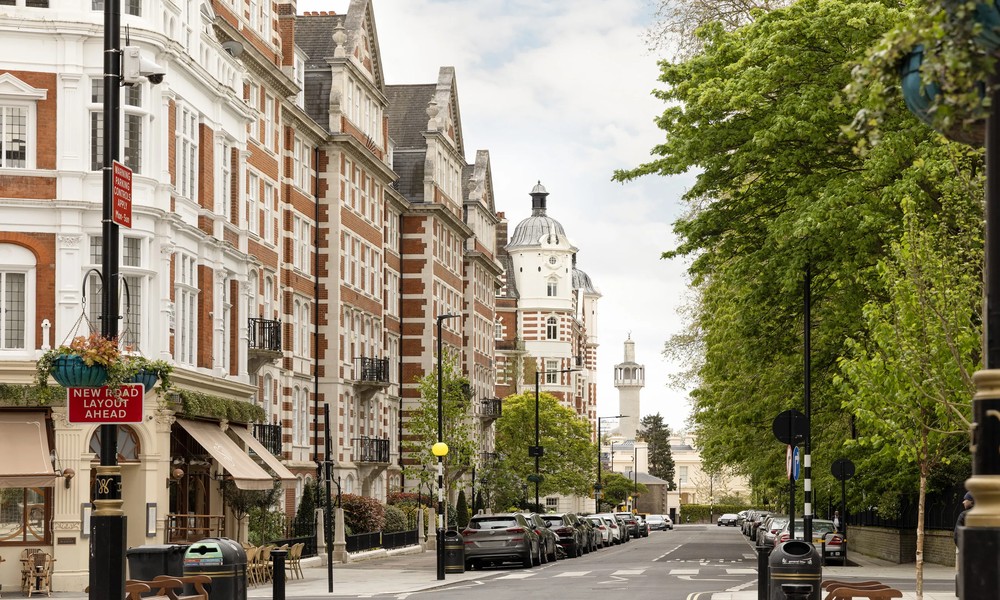
As the 19th century progressed, the architectural styles in NW8 began to diversify. While the early Regency villas set the tone, the Victorian era brought a bit more variety. You can see this in the red-brick houses that pop up in the northern parts of the district. Some of these buildings lean into the Gothic Revival style, featuring pointed arches, decorative gables, and ornate brickwork.
These Victorian additions added a layer of sturdiness and warmth to the neighbourhood. While the Regency villas are all about grace and symmetry, the Victorian homes often feel more substantial and “homely.” They were built to accommodate the growing middle and upper-middle classes of the industrial age. Today, these properties are highly sought after by families who need the extra bedroom count and the generous garden spaces that many of these plots provide.
The Influence of Art Deco and the 1930s
While the villas are the stars of the show, St John’s Wood also boasts some of the finest examples of 20th-century apartment living in London. During the 1930s, several grand Art Deco blocks were constructed, such as Eyre Court and Grove End Gardens. These buildings were a response to a changing society where people wanted the prestige of the area but perhaps didn’t need a twenty-room mansion.
These blocks are masterpieces of their time. They often feature communal gardens, uniformed porters, and elegant, streamlined corridors. Inside, the flats usually have generous proportions that put modern new-builds to shame. For an investor or a professional looking for a pied-à-terre, these Art Deco buildings offer a slice of “Old Hollywood” glamour right in the heart of London. They represent a moment in history when the area transitioned from a purely “villa” suburb to a more cosmopolitan residential hub.
Conservation and the Eyre Estate
One reason the architecture here remains so consistent and beautiful is the strict conservation rules. Much of the area falls within the St John’s Wood Conservation Area. This means that if you own a property here, you can’t just stick a modern extension on the side or change the windows to uPVC without a serious fight with the local planning department.
The Eyre Estate still plays a role in managing the legacy of the land. This stewardship ensures that the “garden suburb” character is protected. It prevents the over-development that has marred other parts of London. When you buy a home here, you aren’t just buying a building; you are buying into a protected landscape. This level of preservation is a massive factor in why property values in the area remain so resilient. Buyers know that the view out of their window is unlikely to be ruined by a glass skyscraper anytime soon.
The Cultural Heritage: Beyond the Bricks
You cannot talk about the heritage of St John’s Wood without mentioning its cultural landmarks. Architecture is about more than just walls; it’s about what happens within them. Abbey Road Studios is perhaps the most famous non-residential building in the area. While the world knows it for The Beatles, the building itself is a stunning 1830s townhouse that was converted into studios in 1931. It perfectly encapsulates the St John’s Wood spirit: a historic residential structure repurposed for world-changing creativity.
Then there is Lord’s Cricket Ground. The “Home of Cricket” has its own incredible architectural story, from the Victorian charm of the Grade II* listed Pavilion to the futuristic, award-winning design of the Media Centre. Living in St John’s Wood means having these icons as your neighbours. The sound of the crowd at Lord’s on a summer afternoon is as much a part of the local heritage as the stucco on the walls.
Why Investors and Homeowners Stay
The market for property for sale in St Johns Wood is rarely quiet. Even in fluctuating economic climates, the area holds its own. Why? Because the supply of these unique homes is finite. You can’t build more 1820s villas. The combination of historical pedigree, architectural beauty, and the “village” feel of the High Street creates a perfect storm of demand.
The local High Street itself is a major draw. It has managed to avoid becoming a carbon copy of every other London shopping street. You’ll find independent boutiques, high-end butchers, and long-standing cafes where the staff know the residents by name. This sense of community, combined with the grand architecture, creates a lifestyle that is hard to replicate anywhere else in the capital.
Final Reflections on NW8
St John’s Wood is a place where history feels lived-in. It isn’t a museum; it’s a thriving, active part of London that just happens to have some of the best-looking houses in the country. From the pioneering “garden suburb” villas of the Regency era to the sleek lines of 1930s apartment blocks, the architectural diversity is staggering.
Choosing to live here is about appreciating the craftsmanship of the past while enjoying the comforts of the present. Whether it is the white stucco gleaming in the sun on a spring morning or the quiet dignity of a red-brick Victorian home, the buildings here tell a story of ambition, elegance, and careful preservation. For anyone lucky enough to call this area home, they are becoming part of a legacy that has been two hundred years in the making. It remains a gold standard for London living, proving that good design and a bit of greenery never truly go out of style.