

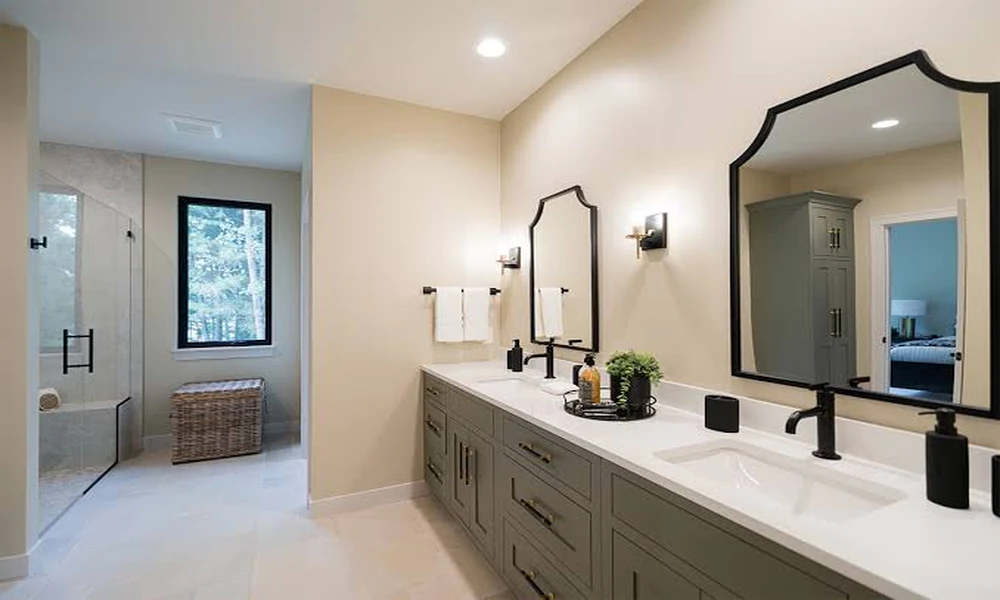
How does paint brighten?
Paint brightens a room because pale pigments return daylight to the space while dark ones absorb it, and nothing more complicated sits behind the whole idea. What separates a decent job from a poor one is where that reflectance gets used. The team at Abadi Painting starts by watching how light actually enters the room, not by opening a colour chart.
A window on the east side gives sharp morning light and dull afternoons. West does the opposite. So the shade that suits one wall may fail badly on another, and this is exactly why Abadi Painting Services samples tones on 2 or 3 walls before committing anywhere. Warm whites hold their character in grey daylight. Cool whites turn slightly blue and can feel cold in rooms that never see direct sun. Then comes the part nobody photographs, the priming. An uneven wall breaks reflected light into dull patches. A smooth one sends it clean across the room, and dim corners pick up the glow they never had before.
What makes finishes so important?
Sheen decides how much of that reflected light survives. Flat paint holds light close to the surface. Eggshell lets it slide. Satin pushes it around the room with a low glow that suits bedrooms and passages short on windows.
Painters treat woodwork separately for a reason. Semi-gloss on door frames and window trim sits right beside the light source, so a little shine there travels far. Worth remembering before purchase, though. Colour reads differently at each sheen level. A grey that looked soft in the flat sample can lean silver in satin. Brush both onto the wall, check them at breakfast and again after dark, then decide. Ten minutes of testing spares a weekend of regret.
Surface brightening methods
Some corrections earn their keep on nearly every dim room, and experienced hands reach for them first.
- Light is caught by the ceiling before the walls and is spread downward by the crisp white surface.
- It anchors the space while making the pale walls beside the window appear brighter through contrast with the dark wall opposite the window.
- Light moves smoothly through a room with skirting that matches the wall colour, removing hard visual borders.
- If alcoves are painted half a shade lighter, they stay out of shadow rather than blending into it.
No wiring, no new fittings. Just a redirection of the light the room already has.
Colour placement strategy
A good position beats a good palette. Since daylight strikes the palest wall first and bounces towards the gloomier half of the room, paint that wall in the palest tone. Change that around, and the lightest surface ends up hiding where light barely reaches.
Ceilings want to sit a touch above the walls in brightness, which quietly stretches the height of the room. Woodwork stays inside the same tonal family, so the eye glides rather than stops. Choices this small rarely appear on any plan. A painter who has stood in a hundred dark rooms knows them.
These changes reshape how the family uses the space, pulling morning coffee, homework, and quiet evening hours into a room everyone once avoided. Good painting does not decorate a dark room. It reopens a new one.