

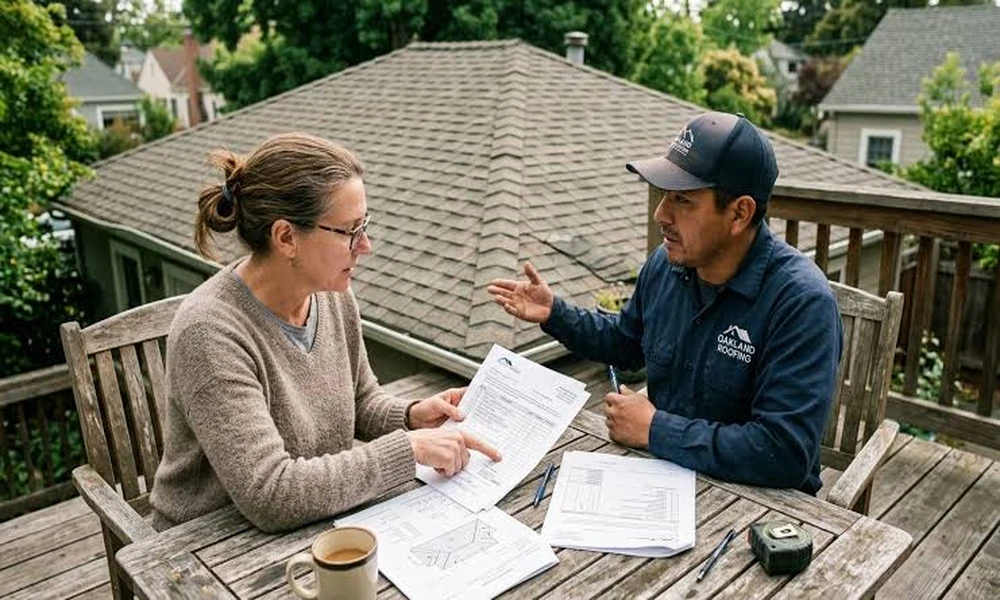
The paperwork usually shows up faster than the shingles do. A storm rolls across central Ohio, a contractor climbs onto the roof for twenty minutes, and by dinnertime there is a multipage estimate on the kitchen counter with a total that makes your stomach drop. Most homeowners skim it, wince, and either sign or stall. Few ask anyone else to read it with them.
That second read is the gap McKinley Restoration Group chose to build a service around. The Blacklick company handles roofing, siding, gutters, interior remodeling, and residential and commercial construction, yet it also reviews estimates written by other contractors and explains what the proposed work actually means before a homeowner commits. The idea behind it is worth borrowing no matter who you hire. An estimate is a proposal, not a verdict, and the cheapest moment to question it is before anyone picks up a pry bar.
An Estimate Is One Person’s Judgment With a Price Attached
It helps to remember how an estimate gets made. One person looks at your roof, often in a hurry, and decides what it needs. That decision is shaped by what they saw, what they missed, what their crew is good at installing, and occasionally what their schedule needs that month.
None of that makes contractors dishonest. Plenty of good roofers look at the same house and land in different places. One sees a few torn tabs and lifted flashing around the chimney and writes up a repair. Another notices brittle shingles, heavy granule loss in the gutters, and a roof approaching twenty years old, and recommends a full replacement. Both calls can be defensible. The National Roofing Contractors Association’s roof inspection and maintenance guidance explains common signs of roof deterioration and the importance of professional assessment. A second look simply tests whether the reasoning on paper matches the condition of the house.
Three Things a Fresh Pair of Eyes Tends to Catch
Once you have reviewed enough estimates, the problems start falling into a few familiar groups. Some work is missing, some is padded, and some does not suit the house it was written for.
Work That Should Be There and Isn’t
Low bids often look attractive because they leave things out, and the gaps return as change orders. A careful reviewer checks whether the estimate spells out the following.
- Whether the old shingles are being torn off or covered over, since the two jobs are priced and built very differently.
- A per sheet price for replacing rotted decking, because nobody knows the deck’s condition until the old roof comes off.
- Drip edge along the eaves and rakes, which some quotes leave off entirely.
- Ice and water barrier at the eaves and in the valleys, a big deal in a climate where winter freeze and thaw cycles push meltwater back under shingles.
- New flashing at chimneys, walls, and skylights rather than reusing old metal.
- Ventilation details covering both the ridge exhaust and the intake at the soffits.
- Permits, dumpster fees, and cleanup, including a magnet sweep for nails.
If an estimate reads “roof replacement” followed by a single number, that vagueness is a problem by itself. You cannot hold anyone to work that was never written down.
Work That Is There and Maybe Shouldn’t Be
The opposite problem shows up too. A storm damages one slope and the estimate covers all four. Gutters that only need rehanging and new hangers get written up for full replacement. A few cracked siding panels turn into a whole wall.
Sometimes the larger scope is justified. Shingles discontinued years ago may be impossible to match, and siding faded by sun will not blend with new panels. The point of a second review is not to cut everything back. It is to separate what the house needs from what someone would like to sell you.
Work That Doesn’t Fit the House
Then there are recommendations that sound fine but miss the specifics of your home. Laying new shingles over a roof that already carries two layers runs into code limits and adds weight the framing never planned for. Gutters sized for a small ranch can overflow on a two story home with long, steep runs. Adding powered attic fans to a house that already has ridge vents can pull conditioned air out of the living space. A quick estimate glosses over these details.
Moments When Waiting a Few Days Pays Off
Replacing a handful of shingles rarely needs another opinion. Certain situations, though, make a pause almost always worth it.
- Right after a storm. Crews arrive from out of state, door knocking ramps up, and pressure to sign runs high. If a contract was signed at your home, Ohio’s Home Solicitation Sales Act generally gives you three business days to cancel, as the Ohio Attorney General’s office has reminded homeowners after severe weather.
- When insurance is paid. An adjuster’s scope and a contractor’s estimate often disagree, and someone needs to understand both documents before money moves.
- When two bids are far apart. A gap of several thousand dollars usually means the two contractors are pricing different jobs, not the same job at different margins.
- When hidden damage is the main justification. If the case for replacement rests on rot or deck failure you cannot see, ask for photos taken on your roof, not stock images.
- When the deposit request feels large. Big upfront payments before materials arrive deserve questions no matter who is asking for them.
Getting the Most From Another Professional’s Review
A second opinion is only as good as what you hand over. Bring the complete estimate, not just the summary page, along with any photos the first contractor took. If insurance is involved, include the adjuster’s itemized scope so the two can be compared side by side. Mention the roof’s age, any past leaks, and anything noticed inside, like ceiling stains or frost on attic nails.
Ask the reviewer to explain their reasoning rather than just offering a different number. You are trying to understand why the work is recommended, which materials it calls for, and what would happen if part of it were delayed.
When the Two Opinions Refuse to Agree
Disagreement is not a failure of the process. It is often the most valuable result, because it tells you exactly which questions to put to the first contractor. Go back with specifics. Ask why the deck allowance covers five sheets instead of fifteen, why the valleys are open rather than woven, or why every gutter is coming down. A confident contractor will answer plainly, usually with photos or measurements.
If the answers stay fuzzy, or the gap between opinions is still wide, a third estimate is a small price to pay on a project that can run well into five figures. Weigh the explanations more heavily than the totals. The bid that makes sense line by line is usually the one that holds up when the crew is on the roof and the weather turns.
A roof is meant to last decades, and the estimate is the only document that defines what you are actually paying for. Reading it twice, and letting someone with real experience read it alongside you, turns a stressful signature into an informed decision.