

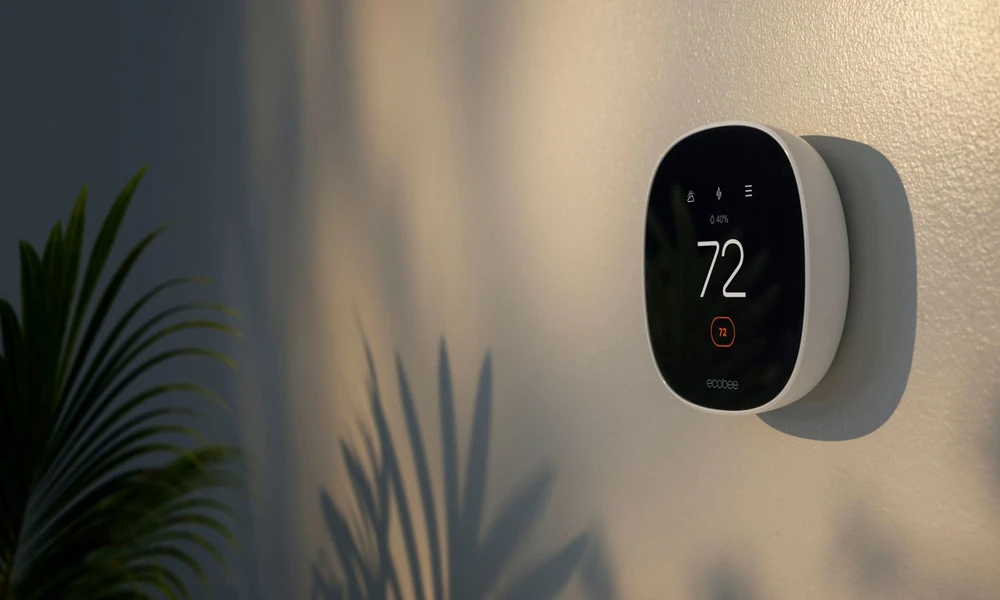
A smart thermostat is one of the easiest upgrades to want. It promises comfort at the touch of a phone, a schedule that learns your habits and a lower heating and cooling bill. But the box on the shelf does not know what kind of system is hiding behind your wall, and a mismatch can turn a simple upgrade into a frustrating one.
Heating and cooling companies such as 24/7 Heating & Air, which lists thermostat installation and replacement among its services, are often asked to sort out exactly that kind of problem. This article goes through the checks to make before you buy, using ENERGY STAR’s guidance.
What a Smart Thermostat Does
ENERGY STAR explains the basics on its smart thermostats page. A smart thermostat lets you control heating and cooling from a phone, tablet or computer over a wireless connection. Features include learning schedules, geofencing, vacation mode, automatic software updates, temperature or occupancy sensors and voice assistant integration.
Start With Your Heating System
The page says to check that the thermostat works with your HVAC system before buying. Most models suit forced-air systems installed after 1975, but it warns they are not compatible with baseboard heating, biofuels or in-wall heaters. Variable-speed, multi-stage or zoned systems may need a professional to match the right model. Heat pumps are not discussed on the page, so ask a technician if you have one.
Look at the Wires
The wiring behind your current thermostat can answer the compatibility question. The page says thicker line-voltage wiring can signal incompatibility, since most smart thermostats are designed for low-voltage systems. Turning off the power and taking a photo of the wires before touching anything is a sensible first step, though that tip is general advice and not from the page.
The Missing Wire Problem
Most smart thermostats need a C-wire to provide steady power, according to the page, though an adapter may work if you do not have one. This is one of the most common reasons an installation stalls, because the wire is not always present in older homes.
Features Worth Paying For
The page suggests considering learning capabilities, geofencing, sensors and voice assistant compatibility. It singles out sensors for homes with hot and cold spots, which is a good example of matching a feature to a real problem and not buying one for its own sake.
Price and Rebates
The page puts prices at 50 to 300 dollars, and says rebates or discounts may be available depending on your location and utility. It says the ENERGY STAR Product Finder lists certified models, prices and local rebates by ZIP code. As with any figure on a page with no date, check current prices before you shop.
What the Savings Claims Mean
The page says heating and cooling make up almost half of the annual energy bill, or more than 900 dollars a year for the average US household, and that certification requires manufacturers to show savings using a full year of anonymized real-world data. Those are the program’s own claims. How much you save depends on your home, your habits and your system.
A Strong Wi-Fi Signal
A smart thermostat that cannot reach the internet loses most of its value. The page says to keep the thermostat reasonably close to your Wi-Fi router, since distance can cause disconnections, and that a range extender can help.
Install It Yourself or Hire Someone
According to the page, you can install a smart thermostat yourself or hire an electrician or HVAC professional, and the manufacturer or your utility may help you find one. If you are unsure about the wires or the type of system you have, that is the point to call someone.
About the Company Behind the Link
The website at the linked address belongs to 24/7 Heating & Air, LLC, which describes itself as a locally owned heating and cooling company based in Grand Island, Nebraska, at 1410 W 3rd St, serving Grand Island and the surrounding communities of Hall County. Its listed services are maintenance, repair, installation and replacement of air conditioning, furnaces, heat pumps and thermostats, with 24/7 emergency support. The site says its technicians are fully trained, insured and background-checked, shows a licensed and insured badge without license numbers, and gives a phone number of (402) 450-1144. It does not state years in business or warranties, and it does not name the thermostat brands it installs, so ask directly.