

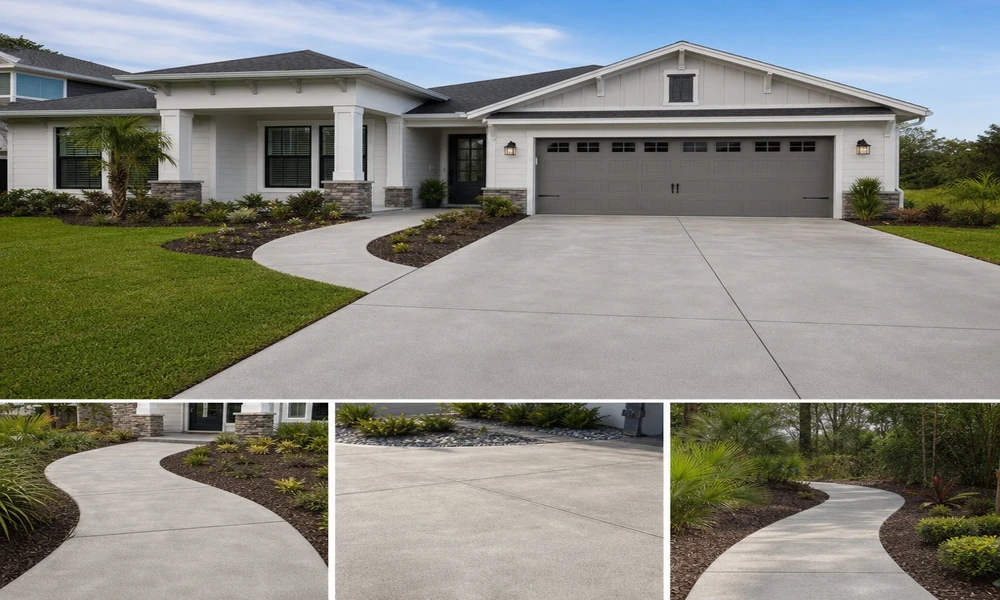
It’s easy to look at a piece of concrete and assume any company can do a good job. However, the difference between a good-looking driveway, sidewalk, patio, or slab that lasts and a good-looking one that doesn’t lies in the quality of preparation, grading, reinforcement, finishing, and curing performed by your concrete contractor in Volusia County.
Why Do You Need a Concrete Contractor?
The expectation of concrete is that it will stand up to heavy loads, water, freeze-thaw cycles, and abuse. But if the sub-base is insufficient, the grading is incorrect, or the finish is rushed, you can end up with cracked, uneven, standing-water-prone, or worn-out concrete in no time.
The right concrete contractor in Volusia County evaluates all aspects of the project, such as use, soil type, drainage, access, and load, to determine the best way to complete the job. For example, a driveway will likely need to be stronger than a walkway. And a patio will need to take into consideration the comfort, slope, and appearance of the area.
Types of Concrete Projects
There are several types of flatwork (see more here) and resurfacing projects a concrete contractor in Volusia County might handle, including:
- Driveways
- Replacement of existing driveways
- Sidewalks
- Walkways
- Patios
- Outdoor Slabs
- Parking Pads
- Extensions
- Concrete slabs for sheds/garages
- Removal and replacement of damaged concrete
While some of these projects may look similar to others, they have different specifications. For instance, the thickness, base material, reinforcement, control joints, and surface texture should all be appropriate for the specific application. A concrete pad that receives light foot traffic does not need the same specifications as a concrete pad designed to receive cars.
What Goes on Underneath the Concrete?

Many people don’t realize how much goes on underneath a concrete slab before it is even poured. Prior to the pour, the ground must be cleared, excavated, shaped, compacted, and framed. Poor preparation under a concrete slab can lead to settling, cracking, and drainage issues.
A good sub-base will distribute weight and reduce settling and cracking under the slab. Frames should be level and accurate to ensure a nice level surface when the concrete cures. It’s also vital to ensure that the concrete slopes properly allow for proper drainage and that it doesn’t pool or create soft areas around the edges of the slab.
A conscientious contractor will check all these things before pouring. Once the concrete is poured, it becomes much more difficult to address these issues.
Slab Depth, Reinforcement, and Control Joints
Concrete isn’t just a matter of appearance; as explained by Britannica’s overview of concrete, as explained at www.britannica.com/technology, it’s about having the right mix, slab depth, reinforcement, and control joints. For example, a sidewalk may not need the same amount of depth as a driveway, while a slab that will receive cars, storage, and equipment or be subject to a lot of traffic may need to be thicker.
Reinforcement may be required in the form of rebar or wire mesh. Concrete shrinks while it cures and moves with changing conditions, which is why control joints are necessary. Control joints are designed to direct cracking to specific locations rather than allowing it to spread randomly over the slab. A trustworthy concrete contractor will be able to explain these decisions to you in simple terms. No contractor wants to overbuild every project they complete, but everyone wants to make sure each concrete surface is built correctly for its intended purpose.
Finishing the Surface for Safety and Appearance
The finishing process is what brings the concrete to its final form. A broom finish may be desired for a concrete surface where traction is important, while a smoother finish might be acceptable for low-slip or covered applications. Decorative elements can enhance the look of the concrete surface, but performance is always paramount. Good finishing techniques include the following:
- Appropriate slope for drainage
- Straight edges and transitions
- Appropriate texture for foot and vehicle traffic
- Neatly cut control joints
- A surface that is not compromised by adding excessive water to the top
When concrete is overworked or allowed to have too much water added to the surface during finishing, it weakens the top layer of the concrete. Skillful finishing is responsible for the clean appearance of the finished concrete while ensuring that the surface will remain strong.
Selecting a Concrete Contractor in Volusia County
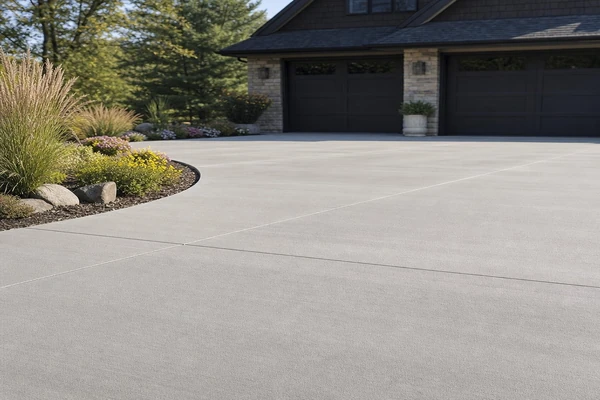
Choosing a concrete contractor in Volusia County should involve much more than comparing prices. A cheaper quote may omit proper base preparation, insufficient slab thickness, reinforcement, cleanup, or curing instructions. A reliable concrete contractor, such as Blacktop By Beede Paving, will provide a thorough description of the work to be done, discuss site conditions, explain the process and how long the job will take, and provide an estimated timeline for completion. Competence is demonstrated by precise measurements, neat work areas, proper slope, and clean finishing.
Maintaining Your New Concrete
Although fresh concrete may appear complete shortly after the finishing process is finished, the curing process, described in Scientific American’s explanation of cement hardening, takes days or even weeks to fully complete. Until the concrete has gained sufficient strength, heavy weight should not be placed on the slab. Following curing guidelines will protect your new concrete installation.
Creating Lasting Concrete Surfaces
A concrete contractor in Volusia County can help you achieve concrete surfaces that are durable, functional, and visually appealing. The best outcomes are achieved through proper planning, a strong foundation, appropriate materials, and expert finishing. No matter if you need a driveway, walkway, patio, or slab, superior concrete work starts from the bottom and moves up. Quality concrete isn’t simply poured into position; it’s planned out and executed with care from start to finish.