
Water damage can compromise the structural integrity of buildings and lead to costly repairs if not properly managed. Elastomeric waterproofing coating has become a popular solution for protecting surfaces from moisture infiltration while offering flexibility and durability. Choosing the right elastomeric waterproofing coating for your project is essential to ensure long-lasting protection, aesthetic appeal, and compatibility with the surface being treated. Understanding the different types, applications, and performance characteristics of these coatings allows property owners and contractors to make informed decisions.
Understanding Elastomeric Waterproofing Coating
Elastomeric waterproofing coating is a flexible, polymer-based material designed to create a seamless, water-resistant barrier on various surfaces, including concrete, masonry, stucco, and metal. Unlike traditional waterproofing methods, elastomeric coatings expand and contract with the building’s natural movements, preventing cracks and leaks from forming over time. This flexibility makes it particularly suitable for areas exposed to extreme weather conditions or structural shifts.
These coatings are available in a range of finishes, colors, and textures, allowing them to serve both functional and aesthetic purposes. In addition to waterproofing, elastomeric coatings can enhance the visual appearance of walls, protect against UV damage, and reduce maintenance needs. Their durability and versatility make them an attractive choice for both residential and commercial projects.
Understanding the properties of elastomeric waterproofing coating, such as adhesion, elongation, and resistance to moisture, is critical when selecting the right product. High-quality coatings provide excellent coverage, maintain elasticity over time, and resist peeling or blistering. Proper surface preparation and application techniques also play a vital role in achieving optimal performance.
Factors to Consider When Selecting a Coating
When choosing an elastomeric waterproofing coating for your project, several factors should guide your decision. The first consideration is the type of surface being treated. Different coatings are formulated to bond with specific materials, and using the wrong product can result in poor adhesion or premature failure. Concrete and masonry surfaces, for example, may require coatings with superior penetration and bonding properties, while metal surfaces might benefit from coatings with enhanced corrosion resistance.
Climate and environmental conditions are equally important. Projects in regions with heavy rainfall, extreme temperatures, or high humidity need coatings that maintain flexibility and adhesion under stress. Elastomeric waterproofing coatings vary in their resistance to UV rays, freeze-thaw cycles, and water pressure, so selecting a product suited to the local environment is essential for long-term protection.
Another factor is the coating’s thickness and coverage rate. Thicker applications provide greater durability and resistance to water infiltration, but they may require additional time for drying and curing. Consulting manufacturer guidelines and calculating the required volume based on the surface area ensures adequate coverage and prevents gaps that could compromise waterproofing.
Budget and maintenance requirements should also be considered. While high-performance elastomeric waterproofing coatings may have a higher upfront cost, they often reduce long-term maintenance expenses due to their durability and resistance to environmental stressors. Balancing cost with performance ensures that your investment provides both protection and value.
Application Techniques for Optimal Results
Selecting the right elastomeric waterproofing coating is only part of the process; proper application is critical for effectiveness. Surface preparation is the foundation of a successful application. The surface must be clean, dry, and free from dust, dirt, or loose material. Repairing cracks, holes, or imperfections before applying the coating ensures a uniform, continuous barrier.
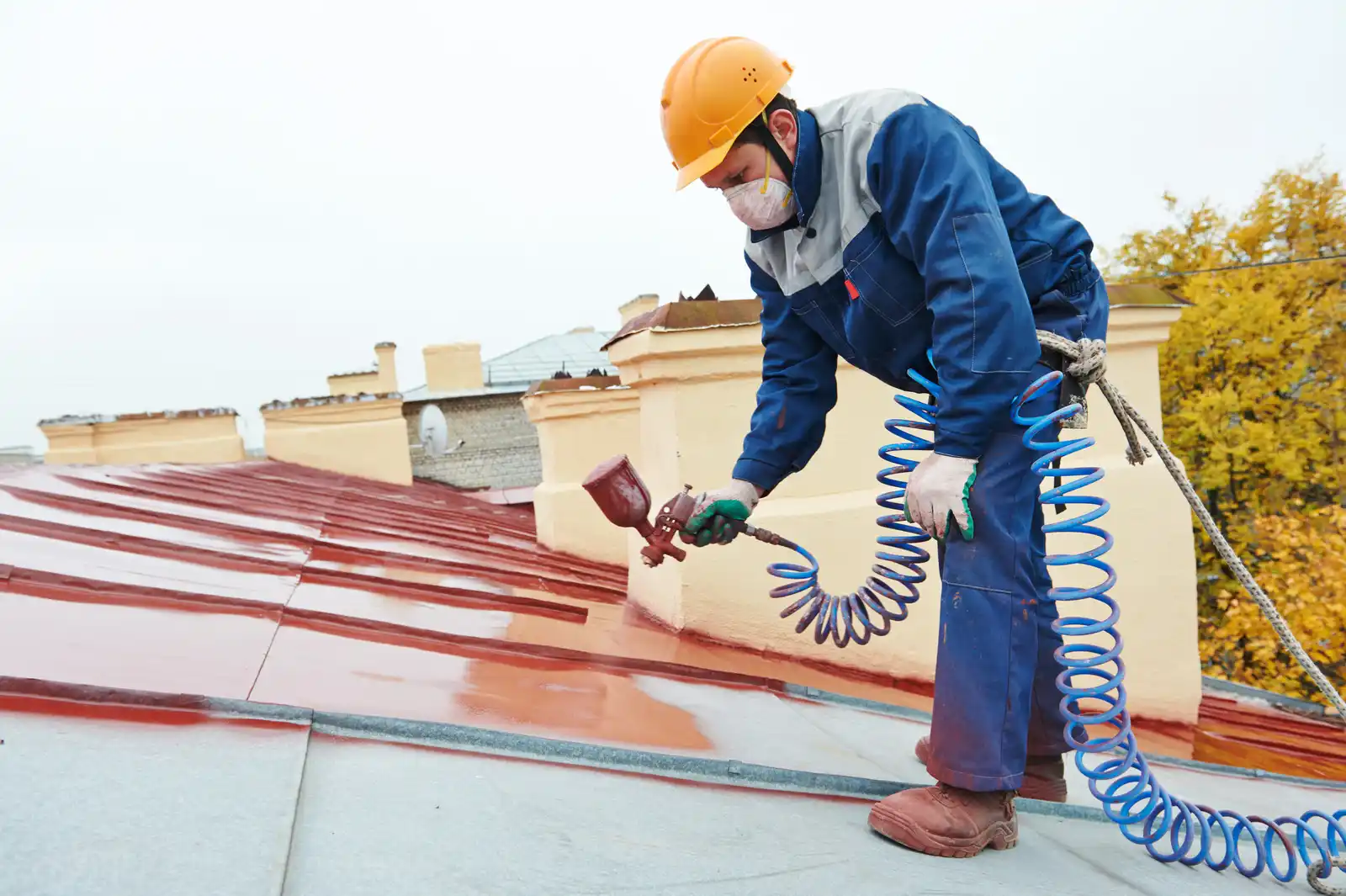
Application methods can vary depending on the coating and surface. Common techniques include brush, roller, and spray application. Each method offers advantages in terms of coverage, finish, and efficiency. Spraying may be ideal for large commercial surfaces, while brushes and rollers are often suitable for detailed work or residential projects. Multiple coats may be necessary to achieve the desired thickness and water resistance, with proper drying time between applications to allow the coating to cure fully.
Environmental conditions during application can also affect performance. Extreme temperatures, high humidity, or direct sunlight can interfere with adhesion and curing. Following manufacturer recommendations for application conditions helps achieve optimal results and prolongs the lifespan of the coating.
Maintenance and Longevity
Once applied, elastomeric waterproofing coating requires minimal maintenance, but periodic inspections are recommended to ensure continued protection. Over time, exposure to weather, UV rays, and physical stress can cause minor wear or fading. Touch-ups or reapplication may be needed in areas showing signs of deterioration, especially in high-traffic or heavily exposed surfaces.
Cleaning the coated surface with mild detergents and avoiding abrasive tools helps maintain the coating’s integrity. Additionally, monitoring for cracks or water penetration allows property owners to address potential issues before they escalate. High-quality elastomeric coatings can last many years when applied correctly and maintained properly, providing long-term protection for both residential and commercial structures.
Selecting the right elastomeric waterproofing coating involves understanding the specific needs of your project, including surface type, environmental conditions, and desired performance. By evaluating product properties, following proper application techniques, and implementing routine maintenance, property owners and contractors can ensure lasting protection against water damage. Elastomeric waterproofing coatings offer flexibility, durability, and aesthetic appeal, making them an ideal solution for modern construction projects that require reliable and effective waterproofing.


