

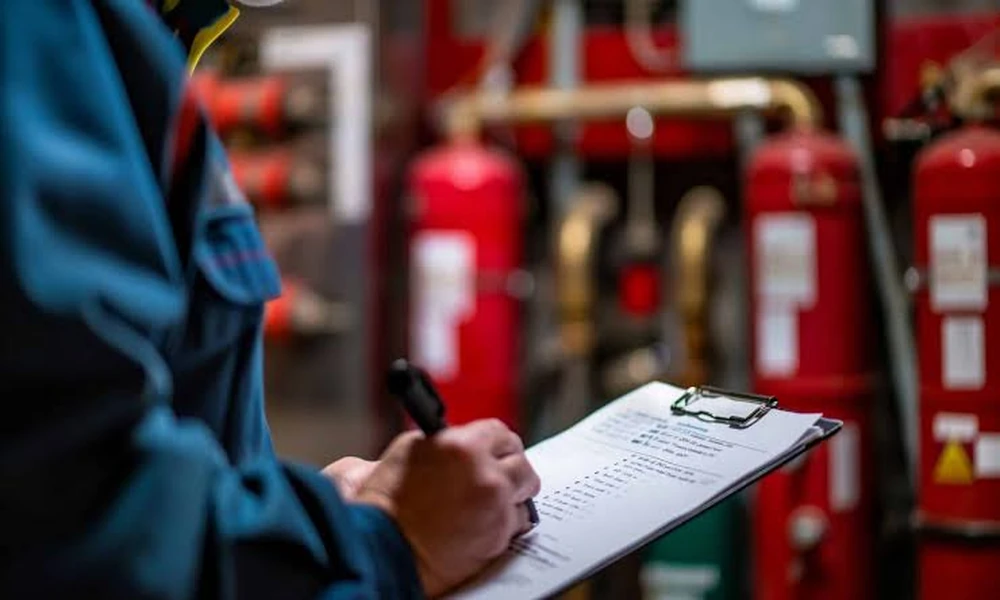
Fire can develop within seconds, turning a normal workplace or construction site into a dangerous environment. While fire alarms, extinguishers, and sprinkler systems are essential safety measures, having trained personnel actively watching for fire hazards can provide an additional layer of protection. Fire watch guards help identify potential dangers early, respond to developing incidents, and support emergency procedures when normal fire protection systems are unavailable or when high-risk activities are taking place.
By maintaining continuous oversight in high-risk environments or during routine fire system maintenance, professional Fire Watch Guards act as a critical human safeguard when automated alarms or sprinklers cannot operate at full capacity. They actively patrol designated premises, inspect key hazard areas, and ensure that safety equipment remains accessible and fully functional. This proactive physical presence bridges the gap between passive building technology and active emergency prevention, ensuring potential hazards are intercepted long before they pose a severe threat.
Early Detection of Fire Hazards
One of the most important responsibilities of a fire watch guard is continuous observation. Guards monitor areas where sparks, heat, electrical work, or combustible materials could create a fire risk. During hot work such as welding, cutting, or grinding, sparks can travel into nearby spaces and ignite materials that may not be immediately visible. OSHA notes that fire watches are used to detect and respond to fires at an early stage, particularly around hot work operations.
Immediate Response During an Incident
A fire watch guard can act quickly when smoke, flames, unusual heat, or other warning signs appear. When a small fire is within their training and the available equipment, they may attempt to control it at its early stage. If the situation is beyond their capability, their responsibility is to alert workers and activate the appropriate alarm or emergency response procedure.
Supporting Safe Evacuation
During an emergency, confusion can cause people to delay leaving a dangerous area. Fire watch personnel can help communicate warnings and direct attention toward established emergency procedures. Their ability to communicate quickly with workers is particularly important in environments where hot work or other activities may expose employees to additional fire hazards.
Preventing Fires Before They Start
Fire watch duties are not limited to reacting after flames appear. Guards also help maintain safer conditions by observing changes in the work environment. They can identify combustible materials near hazardous activities, notice unsafe conditions, and ensure that protective barriers or fire-resistant coverings remain properly positioned. OSHA specifically recognizes maintaining safe conditions as an important part of fire watch responsibilities.
Monitoring After High-Risk Work
Fire hazards can remain even after welding, cutting, or similar activities have stopped. Heat and sparks may ignite materials after the work appears to be finished. For this reason, fire watch personnel may need to continue monitoring the affected area afterward. OSHA’s shipyard standard requires at least 30 minutes of post-work monitoring unless an appropriate inspection determines that no further fire hazard exists.
Fire watch guards provide valuable support by combining constant observation, early hazard detection, emergency communication, and preventive action. Their presence can help reduce the chance that a small fire develops into a major emergency. When properly trained and equipped, fire watch personnel become an important part of a broader workplace fire safety plan, helping organizations protect employees, visitors, property, and ongoing operations.