

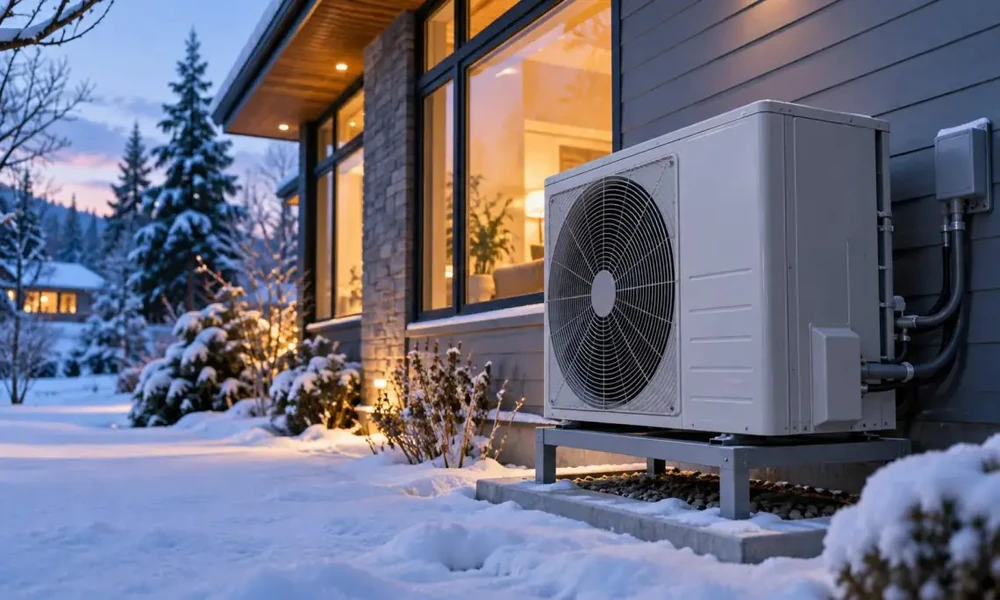
Ten years ago, most people in snow country would have laughed at heating a house with a heat pump. The older units ran fine in spring and fall, but they struggled once the thermometer dropped into the teens. Then they leaned on electric heat strips that ran up the power bill.
That reputation stuck long after the equipment changed. Today’s cold-climate heat pumps use variable-speed compressors, better refrigerants, and smarter defrost controls. Many keep making real heat well below zero. Homeowners are now asking whether one could replace their furnace, or at least share the load with it.
There’s no single answer, and the details of each house matter a lot. A good Fort Dodge hvac company will start with the house, not the equipment brochure. They’ll look at insulation, ductwork, the electrical panel, and how the family actually uses the home. Those factors decide whether a heat pump does great or disappoints.
How a Heat Pump Finds Heat in Frozen Air
A heat pump doesn’t burn anything. It moves heat. Even air at zero degrees holds some heat, and refrigerant boiling at a much lower temperature can pull that heat out. The compressor then squeezes the refrigerant until it’s hot enough to warm the air blowing through your ducts.
The catch is that the colder it gets outside, the harder the compressor has to work and the less heat each cycle brings in. Older single-speed units hit that wall quickly. Newer inverter-driven compressors can speed up as the weather gets colder. That lets them hold their output much longer instead of fading as the temperature falls.
What Changes as the Temperature Drops
The best way to understand a heat pump in winter is to follow it through a cold snap, one temperature range at a time.
Mild Days Above Freezing
Here the heat pump has it easy. It may deliver three or more units of heat for every unit of electricity it uses. It runs long, steady cycles at low speed, so the house stays even and the air from the vents feels pleasantly warm, not scorching.
The Teens and Twenties
Frost starts to build on the outdoor coil, especially on damp days. The unit goes into defrost every so often and briefly reverses itself to melt the ice. You may see steam rising from the outdoor unit and hear a whoosh when it switches back. Both are normal. Efficiency drops, but a well-chosen cold-climate model still clearly beats electric resistance heat.
Single Digits and Below
This is the range that separates true cold-climate equipment from standard models. A cold-climate unit runs its compressor near full speed and keeps supplying a large share of its rated capacity. A standard unit may be supplying only a fraction by now. Either way, most homes in hard-winter regions keep some backup heat for the coldest nights. That might be a gas furnace, electric strips, or a wood stove.
Sizing Is Where Most Problems Start
Most disappointing heat pump installs share one problem: the system was sized for summer cooling instead of winter heating. In northern climates, a house needs far more heat on a January night than cooling on a July afternoon. A unit matched to the air conditioning load can come up short when it matters most.
A proper heating load calculation looks at insulation levels, window area, air leakage, and the coldest temperature your area usually sees. With that number, the installer can compare it to published capacity at low temperatures, not just the rated capacity at a mild test point. The Northeast Energy Efficiency Partnerships cold climate heat pump product list is a good place to compare real low-temperature performance between models. Oversizing has its own downsides, though, so the goal is a close match, not the biggest unit on the truck.
Ductwork and the Feel of the Air
People switching from a furnace often notice the air from their registers feels cooler. A gas furnace usually pushes air at a much higher temperature than a heat pump. A heat pump makes up for it by running longer and more evenly, so the rooms stay warm even though the vent air isn’t as hot.
That longer runtime puts more demand on the ductwork. Leaky ducts in an unheated attic or crawlspace lose more of a heat pump’s gentler output. Undersized returns can choke airflow. Sealing and insulating ducts before the new equipment goes in often makes as much difference as the heat pump itself. In homes with no usable ducts, ductless wall units can heat individual zones without major renovation.
The Electrical Side of the Decision
Swapping a furnace for a heat pump changes what the house asks of its electrical service. The outdoor unit needs its own circuit, and backup electric strips can draw a lot of power. Older homes on 100-amp service sometimes need a panel upgrade, or a careful plan that keeps backup heat on a gas furnace instead.
The cost picture is local, too. It depends on electricity rates compared with natural gas or propane prices in your area. Homes heating with propane or fuel oil often see the biggest savings, because those fuels tend to cost more per unit of heat. Homes on cheap natural gas may find that a mixed setup makes the most sense, with the heat pump on most days and the furnace in deep cold.
Placing the Outdoor Unit for Snow Country
Where the outdoor unit sits matters more in a snowy region than most people expect. The unit has to shed defrost water, and that water must drain away and not refreeze into a block of ice under the coil. Installers usually raise the unit on a stand or wall bracket above the typical snow depth. They also keep it out from under roof edges where sliding snow and dripping icicles can pile up.
Wind direction matters as well. A unit facing straight into prevailing winter winds works harder and can collect drifting snow. A sheltered side of the house, with a clear path for airflow around the coil, usually gives the system an easier winter.
So, Can It Carry the House?
For many homes, the honest answer is yes, with some help on the coldest nights. A correctly sized cold-climate heat pump in a reasonably tight house can do most of the winter heating on its own. A backup source stands by for the handful of brutal nights each season.
Homes with weak insulation, leaky ducts, or limited electrical capacity may need some groundwork first. Even then, the technology has improved enough that the old belief about heat pumps and cold weather is worth setting aside. Take an honest look at your house, check real low-temperature performance figures, and plan backup heat, and you’ll know whether a heat pump fits your home.