

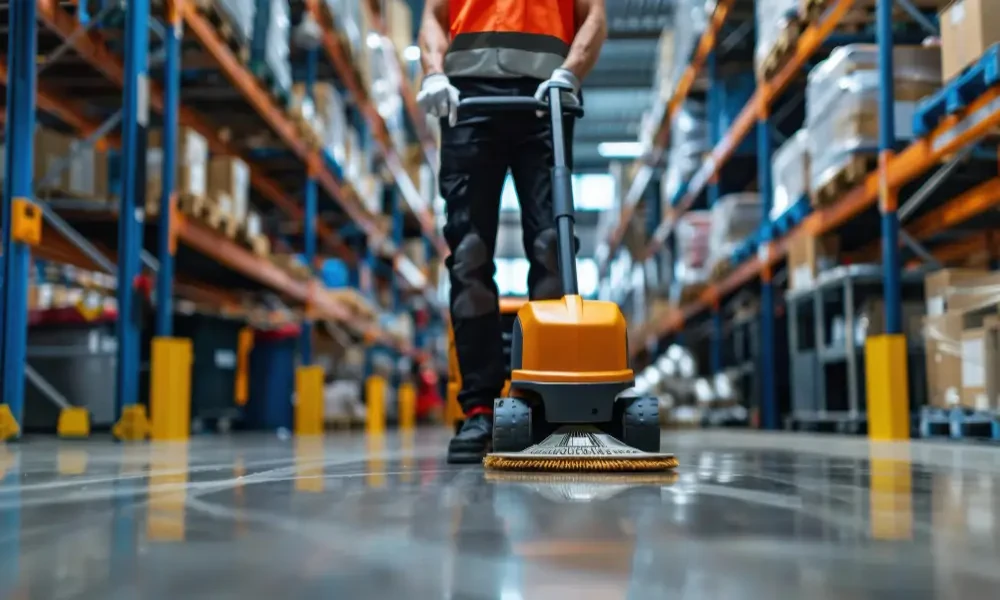
In today’s fast-paced economy, warehouses play a crucial role in the supply chain. They are essential for storing goods safely and efficiently. Maintaining a clean environment within these spaces is vital. It ensures that products remain in excellent condition and that employees work in a safe atmosphere.
A well-organised facility relies on consistent cleaning practices. These practices protect the integrity of stored items and the health of all staff members. By implementing effective protocols, businesses can reduce the risk of accidents and enhance overall operational efficiency.
This guide aims to provide a comprehensive overview of how to maintain a clean warehouse environment. It will cover the latest best practices in the industry, ensuring that your facility meets the necessary requirements for safety and cleanliness.
Key Takeaways
- Regular cleaning is essential for safe product storage.
- Consistent protocols protect employee health.
- Structured approaches address unique cleaning challenges.
- Rigorous standards reduce accident risks.
- Best practices enhance operational efficiency.
Understanding Warehouse Cleanliness and Its Impact
The cleanliness of a facility directly influences its operational efficiency and employee morale. As of 29 May 2024, industry experts emphasise that a tidy environment is a vital component of a successful business operation. A clean workspace not only looks appealing but also plays a crucial role in maintaining safety and productivity.
Prioritising safety in the workplace helps to minimise the risk of slips, falls, and injuries caused by heavy lifting or poor facility management. A well-kept environment can significantly reduce these hazards, ensuring that employees feel secure while performing their tasks.
Enhanced productivity is directly linked to a clean workspace. Debris and dirt can lead to machinery malfunctions and costly operational downtime. Therefore, maintaining high levels of cleanliness is not merely an aesthetic choice but a fundamental requirement for safeguarding worker health and morale daily.
“A clean warehouse serves as a beacon of corporate excellence, ensuring that all products remain free from contamination and potential damage.”
| Impact Factor | Importance | Benefits |
|---|---|---|
| Safety | Minimises risks | Fewer accidents |
| Productivity | Reduces downtime | Increased efficiency |
| Health | Improves morale | Higher job satisfaction |
Professional Insights: Crystal Cleaning Servicing Ltd Perspectives
Maintaining a high level of hygiene in large facilities is essential for operational success. Crystal Cleaning Servicing Ltd provides valuable insights into effective practices tailored for expansive sites in cities like Derby, Birmingham, and Leicester. Their expert team understands the unique challenges faced in these environments.
Professional services, such as those offered by Samsic UK, help integrate maintenance tasks seamlessly into existing operational schedules. This approach ensures that hygiene is prioritised without disrupting workflow.
Key strategies include:
- Dust and debris removal: The team focuses on all surfaces to create a safe working environment.
- Tailored cleaning schedules: Developing specific plans with professional partners ensures hygiene needs are met within budget.
- Leveraging expertise: Collaborating with specialists allows businesses to uphold high standards while concentrating on core activities.
| Service Provider | Location | Specialisation |
|---|---|---|
| Crystal Cleaning Servicing Ltd | Derby, Birmingham, Leicester | Hygiene Maintenance |
| Samsic UK | Nationwide | Cleaning and Security |
Implementing Industrial Warehouse Cleaning Standards
A systematic approach to maintaining cleanliness can significantly enhance operational flow. Following a structured seven-step process is essential to ensure that every corner of the facility is addressed. This method begins with a pre-cleaning inspection and concludes with a final review.
Training staff on the latest safety measures is crucial. This training helps prevent accidents during the cleaning of high-traffic areas. Efficiency is achieved by integrating cleaning tasks into the daily workflow, allowing for an organised space without disrupting production schedules.
Moreover, proper use of personal protective equipment is mandatory for all staff involved in the cleaning process. This equipment shields them against potential spills and hazards. Establishing clear cleaning protocols helps maintain a consistent level of operational excellence throughout the entire facility.
Optimal Cleaning Techniques for Floors, Walls and Ceilings
Ensuring optimal cleanliness across all surfaces is vital for maintaining a safe and efficient operational environment. Each area requires specific techniques to effectively manage dirt and grime.
Floor Cleaning Best Practices
Cleaning floors starts with removing large debris. This can be done using a broom or vacuum. After that, a hot water pressure washer is ideal for tackling stubborn grease and oil. This method ensures a thorough clean, leaving the floor safe for movement.
Wall and Ceiling Maintenance Tips
Walls should be dusted first, either with a vacuum or a broom. Following this, applying a detergent solution will help eliminate accumulated grime. For ceilings, using extension poles or vacuum attachments regularly is essential. This practice prevents allergens from building up and improves air quality.
Selecting the Right Cleaning Agents
Choosing the right cleaning agents is crucial for different surfaces. Heavy-duty degreasers are particularly effective in loading docks. After washing, it’s important to dry floors thoroughly to prevent accidents. Placing wet floor signs is a necessary precaution to warn employees of recently cleaned areas.
“Effective cleaning practices not only enhance safety but also contribute to a more productive work environment.”
| Surface Type | Recommended Cleaning Method | Cleaning Agent |
|---|---|---|
| Floors | Hot water pressure washing | Heavy-duty degreaser |
| Walls | Detergent solution application | All-purpose cleaner |
| Ceilings | Vacuum with extension pole | Allergen-reducing cleaner |
Safety and Compliance in UK Warehouse Facilities
Upholding rigorous health safety measures ensures a productive atmosphere for all staff. Adhering to the Health and Safety Executive (HSE) regulations is a non-negotiable requirement for all UK facilities. This commitment safeguards worker well-being and promotes a culture of safety.
Regular cleaning operations are essential in preventing accidents and maintaining compliance with national health safety standards. These practices are integral to a broader strategy aimed at ensuring a safe working environment.
Controlling exposure to hazardous materials through professional cleaning protects productivity and supports long-term operational health. Clear pathways and sanitised surfaces enhance cognitive function, fostering a safer workplace for employees.
Compliance mandates necessitate strict adherence to cleaning schedules. This vigilance protects the environment and preserves the integrity of stored products.
Modern Equipment and Eco-friendly Cleaning Solutions
The integration of advanced technologies is transforming the way facilities maintain cleanliness. These innovations not only enhance efficiency but also promote a healthier working environment.
Innovative Cleaning Technologies
Modern facilities are increasingly adopting:
- Automated cleaning robots: These devices navigate large spaces with precision, ensuring consistent cleanliness.
- IoT-enabled devices: These collect data on cleanliness levels and equipment performance, facilitating proactive maintenance.
Benefits of Eco-Friendly Products
Switching to eco-friendly products offers numerous advantages:
- Research from Harvard University’s Healthy Buildings Program demonstrates that improved indoor air quality directly correlates with increased worker productivity.
- Microfibre technology traps dust more effectively than traditional mops, using significantly less water and supporting sustainability initiatives.
- Smart sensors detect dust in high-traffic zones, alerting maintenance teams for immediate action.
Effective Waste Management and Debris Removal Strategies
Effective management of waste is critical for maintaining a safe and productive environment. Implementing robust protocols for recycling and disposal can greatly enhance operational efficiency.
Identifying recyclable materials, such as cardboard packaging and plastic wrap, is the first step. This practice significantly reduces contributions to local landfills. Dealing with hazardous waste requires meticulous care, including the use of labelled receptacles and ensuring all staff are properly trained.
Moreover, reducing clutter in high-traffic areas is essential. This strategy not only boosts operational efficiency but also prevents potential hazards from accumulating. Collaborating with nearby recycling centres allows the facility to serve as a central hub for promoting sustainability within the local community.
Regular debris removal ensures that the facility remains tidy, which is essential for maintaining a safe and productive working environment.
| Waste Type | Management Strategy | Benefits |
|---|---|---|
| Cardboard | Segregation for recycling | Reduces landfill waste |
| Plastic Wrap | Proper disposal protocols | Promotes sustainability |
| Hazardous Waste | Labelled receptacles | Ensures safety compliance |
Collaborating with Industry Leaders: Crystal Group Insights
In the realm of facility management, collaboration with industry leaders is essential for achieving superior results. The Crystal Group offers valuable insights into how businesses can leverage their expertise for continuous improvement in their processes.
For professional warehouse cleaning services, companies can contact the team at 0208 066 0360 to discuss their specific facility requirements today. This ensures that your facility remains clean and safe at all times.
- 24/7 Availability: Expert providers offer contract services that operate all year round.
- Performance Tracking: The Crystal Group emphasises that ongoing vigilance is integral to maintaining high standards.
- Staying Current: Engaging with industry leaders ensures that your cleaning strategy aligns with the latest advancements.
Utilising these insights can lead to a more efficient and compliant operational environment.
Conclusion
Maintaining a clean environment is not just a luxury but a necessity for effective operations. A commitment to cleanliness is essential for sustaining high performance in any facility. By prioritising health and safety, businesses can ensure that their staff work in an environment that promotes productivity and well-being.
Regular deep cleaning sessions and daily maintenance schedules are crucial for keeping the facility at peak performance throughout the year. Implementing modern equipment and eco-friendly products helps to reduce environmental impact while ensuring that all surfaces remain free from dirt.
A robust cleaning process is the unseen hero that ensures operations are efficient, ethically sound, and legally compliant. In conclusion, investing in cleanliness is investing in the future of your business.