

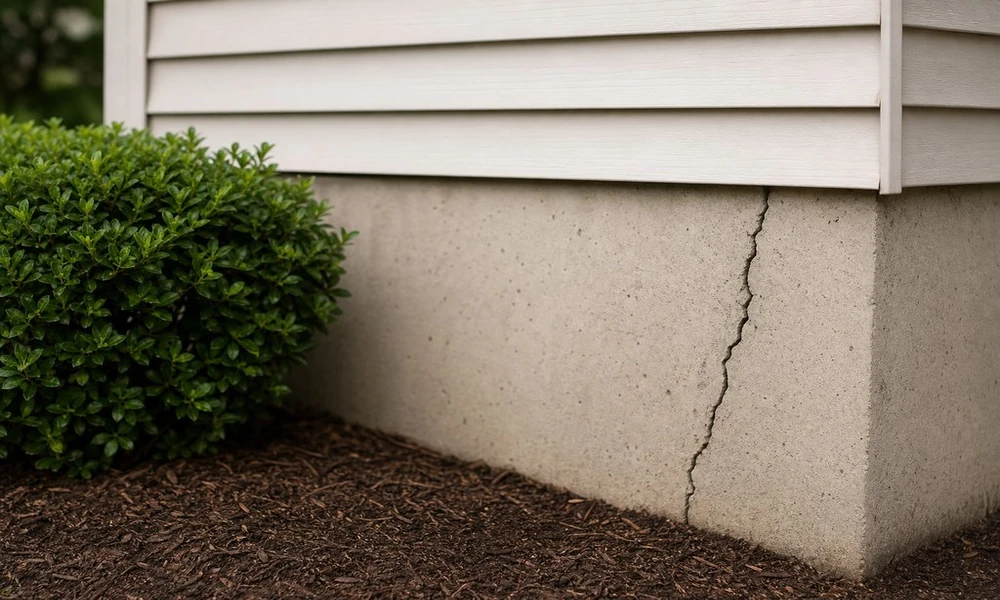
Residential foundation repair
If you are noticing changes in your home, you may want to explore having it inspected to determine whether there are more serious foundation repair needs. Here are a few indicators:
Cracks and Changes That Deserve Attention
- Diagonal cracks running from windows and doorframes may be an indication of a shifting foundation.
- Doors or windows are not opening and closing properly.
- The floor is not even, or slopes noticeably in certain areas of the home.
- Cracks between walls and ceilings.
- Separation between trim, cabinetry, exterior brick and siding.
Sometimes, cracks that appear in just one place and are only a hairline can be the result of normal settling, shrinkage and temperature effects. However, if a crack continues to widen or you notice a reappearing crack in a location that had been previously repaired, you may want to have a qualified evaluator inspect the area to see if it could be indicative of other issues. A crack that is wider than one-quarter inch should also be evaluated by a professional.
Moisture and Soil Drive Foundation Stress
Just because your foundation shows no visible signs of stress doesn’t always mean it is stable and secure.
A qualified foundation repair evaluator will look beyond the visible cracks and gaps to the underlying issues with moisture and soil, which can be the real culprit – learn more here. Soil that soaks up too much water becomes expansive, which may cause the soil to exert an uneven amount of pressure. Then, the soil dries out and contracts, creating voids.
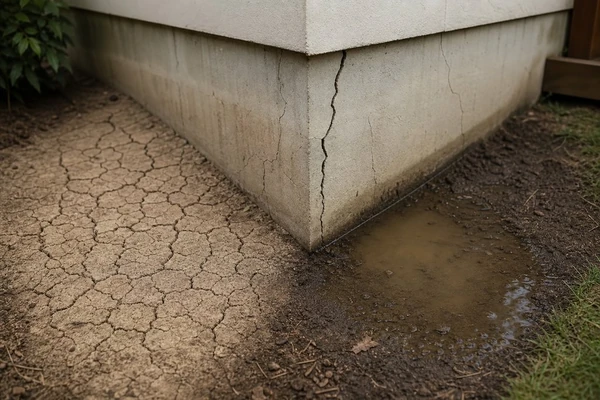
Foundation and surrounding soil
Drainage Problems Compound the Damage
This is why you should consider these indicators:
- Signs of standing water around the home.
- Plumbing leaks (you may see moisture in the basement for unexplained reasons, or experience an unexplained increase in your water bill).
- Drainage problems, such as gutters that are clogged and directing water toward the foundation, a downspout that’s directing water to the side of your house (the EPA covers this at epa.gov/soakuptherain), or poor grading of your yard that sends the runoff towards your home’s foundation.
It’s crucial to repair any drainage or water issues immediately as a means of protecting the foundation. If a home’s foundation is stabilized, but these issues continue to exist, the repairs may not last.
What Should a Foundation Inspection Cover?
In many cases, a crack is nothing more than a cosmetic problem. Professional help is required only when cracks are caused by foundation movement and tend to reappear and/or increase in size over time.
During a professional inspection, a qualified evaluator will look at all areas for any signs of movement or other issues. For example, they will check for cracks in both the inside and outside of your home, and they will look for evidence of voids. They will take note of any evidence of soil movement, drainage issues and other concerns. During the inspection, they will determine if the foundation needs repair; the practical side of foundation repair Miami starts there. The team at Gaven Constructions works in this field.
When cracks are found to be only a surface concern, it’s best practice for you to still take note of them and photograph them. These photos can be helpful in the future to see if the crack changes. It may be a sign of more serious problems. When photographing, it’s best to take the pictures from the same angle so it will be easy to compare in the future.
When planning repair, ask questions to avoid surprises! Unexpected costs and projects can occur, even after the repair plan has been approved.
Verify whether there are any local permits, engineering, or locates required before work can begin. It’s also smart to consider how repairs may impact access around your property. For example, how will landscaping, patios, pools, and underground lines in Miami affect your project cost or sequence of work?
Also consider the possibility of restoration. Ask questions on whether painting, patching, or landscaping restoration is included in the agreement or at an additional cost.
Repair Plans Depend on the Structure
When foundation repairs are needed, it’s critical to remember that no two foundations or soil types are the same. This is why repair methods can range from one project to the next. There’s no one-size-fits-all solution for every home or structure. It’s critical for you to review a proposed scope of work that includes the areas that will be affected by the repair. This will include the reason the repair is being performed and the methods by which the repair will be done. If there is any evidence of drainage issues that could be contributing to foundation problems, the scope of work should include recommended fixes.
Keep documentation of the inspection, photos, and repairs as well as any warranties. This could come in handy if you have questions down the road about the condition of your home or foundation.