

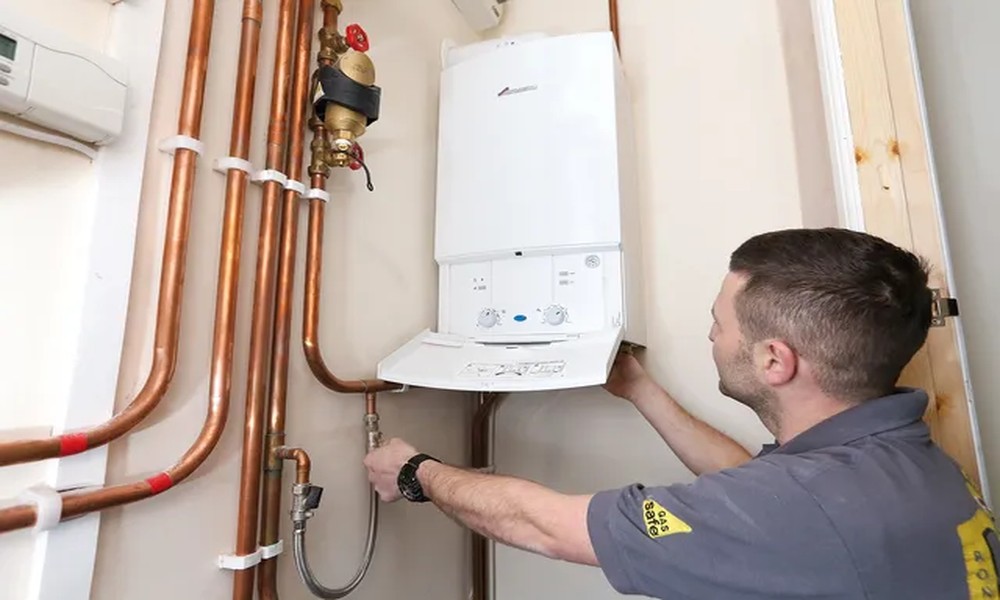
Working with gas in a domestic property is a serious undertaking. The correct selection of qualified professionals is not just about comfort; it is a fundamental matter of household safety.
Many homeowners need reliable heating and gas engineers. Finding a trustworthy professional who offers fair pricing, however, can feel like a challenge. This guide aims to help navigate that process.
In the United Kingdom, the official authority for this work is the Gas Safe Register. This body replaced the previous CORGI registration in 2009. It is the only official list for businesses and individuals legally permitted to undertake gas work.
This article provides a comprehensive look at how to find and verify competent professionals. It covers legal requirements, certification, and how to access vetted technicians for installation, maintenance, or emergency service.
Key Takeaways
- Gas safety is critical and requires a professionally qualified engineer.
- The Gas Safe Register is the sole official registration body for gas businesses and engineers.
- This register replaced the older CORGI system in 2009.
- Homeowners should verify an engineer’s credentials before any work begins.
- This guide explains how to identify qualified professionals for boiler and heating work.
- Understanding compliance and best practises empowers you to make safer choices.
- Balancing safety standards with reasonable service costs is a common concern.
Understanding Safe Registered Boiler Engineers UK
When dealing with gas appliances, the primary concern must always be legal compliance and technical competence. The term “safe registered” refers specifically to professionals listed on the official Gas Safe Register. This body authorises all legal gas work in the UK.
It maintains the sole database of businesses and individuals qualified to handle gas appliances, boilers, and heating systems. Registration replaced the older CORGI system in 2009.
Defining Safety and Compliance
Being on the register means an engineer has completed approved training. They must hold current qualifications and meet strict safety standards. This framework is designed to protect the public.
Compliance involves working within the Gas Safety (Installation & Use) Regulations 1998. These rules set legal duties for installation, maintenance, and certification.
Legal Requirements and Best Practices
Regulation 36(4) states all gas work must be done by a Gas Safe registered engineer. It is illegal and unsafe for an unregistered person to attempt it. A registered professional cannot legally approve work they did not do.
Best practice requires competence to self-certify work or involve a qualified third party. Proper certification should be part of any quote. This compliance is non-negotiable for protecting property and people.
Importance of Gas Safety and Certification
Gas-related incidents pose severe risks, making certified work non-negotiable. Improper installations or repairs can lead to leaks, carbon monoxide poisoning, or even explosions. Professional certification is therefore a life-saving requirement, not just bureaucracy.
Using a correctly qualified professional protects your household. It also helps maintain the validity of appliance warranties and home insurance policies.
Gas Safe Register: Legal Obligations
Property owners have a legal duty. Landlords, homeowners, and business proprietors must ensure all gas work is done by a Gas Safe registered engineer. This obligation is set out in gas safety regulations.
The Gas Safe Register is the official authority. It maintains the only list of businesses legally permitted to work on gas appliances.
Certification Process and Ongoing Compliance
To join the register, an individual must complete rigorous training. They must pass competency assessments and hold the correct qualifications. Appropriate insurance is also mandatory.
Registration is not a one-time event. Engineers must engage in continuous professional development. They undergo regular re-assessment to adhere to evolving safety standards.
Every registered professional carries an official ID card. It displays their photograph and a unique 7-digit licence number. The back lists the specific types of gas appliance work they are certified to do.
Understanding a Gas Safe ID Card
| Component | Description | Why It Matters |
|---|---|---|
| Photograph | A current image of the engineer. | Confirms the person presenting the card is the licensed individual. |
| Licence Number | A unique 7-digit identifier. | Used to verify registration status online via the ‘Check an Engineer’ tool. |
| Qualifications List | Specific gas work categories on the card’s reverse. | Shows exactly what work the engineer is legally allowed to perform. |
Always ask to see this card before work begins. Use the online tool to check the licence number. Confirm the engineer‘s qualifications match your job, be it for a boiler, cooker, or other gas appliance.
Choosing a Trusted Gas Engineer
Choosing a gas engineer you can trust is a two-step process: confirming qualifications and evaluating experience.
It moves beyond just finding a name. You need to verify their legitimacy and assess their reputation.
Verifying Qualifications and Experience
Always check engineer credentials before any work starts. Use the official online tool with their 7-digit licence number.
Ask to see their ID card. Make sure the listed gas work categories match your specific job.
A heating engineer with many years experience often handles complex issues better. They provide more reliable advice.
Customer Reviews and Recommendations
Online reviews offer insights, but research thoroughly. Look for consistent feedback on trusted platforms.
Personal recommendations from neighbours are valuable. However, you must still verify the individual is on the official register.
Be wary of red flags. These include refusal to show an ID card, confusing jargon, or a van displaying logos without proper registration.
Trust your instincts. If something feels wrong, it is okay to walk away and find another professional.
Service Directory Benefits and Utilising Reviews
The digital age offers a powerful tool for vetting tradespeople: accredited online directories. These platforms save homeowners considerable time and reduce risk. They provide a curated list of professionals, offering reliable advice and simplifying the search for quality service.
Instead of sifting through countless adverts, you access a pre-vetted pool. This method is far more efficient than independent searching.
Access to Vetted and Accredited Engineers
Reputable directories implement strict checks before listing any gas professional. They verify essential credentials, including official registration. Proof of qualifications, insurance, and professional memberships is mandatory.
Applicants must often supply references from several previous customers. This ensures only engineers with proven experience and a good reputation are accepted. The vetting routine filters out underqualified individuals.
Structured reviews and rating systems are central to these platforms. Former clients detail their service experience and rate the work. This brings traditional word-of-mouth recommendations into a transparent, online format.
These systems protect local people by highlighting consistent performance. They create a marketplace where quality is rewarded and poor practices are evident.
Common Directory Review Categories
| Category | What It Assesses | Importance to Homeowner |
|---|---|---|
| Timekeeping | Punctuality and adherence to schedule. | Minimises disruption to your day. |
| Professionalism | Communication, conduct, and initial impressions. | Ensures clear, respectful interaction. |
| Quality of Work | Standard of installation or repair. | Directly relates to long-term safety and reliability. |
| Value for Money | Fair pricing relative to the work completed. | Helps avoid overcharging and ensures a fair deal. |
This multi-dimensional feedback provides a comprehensive view. Overall star ratings offer an at-a-glance reputation summary. Detailed written reviews give deeper context.
For engineers, a strong profile attracts new business. For homeowners, it provides the confidence to hire. These platforms help everyone find trustworthy gas professionals.
Abercorn Heating Ltd: Credentials and Industry Standards
Credentials like Gas Safe registration and industry memberships signal a heating company’s commitment. Abercorn Heating Ltd exemplifies these professional benchmarks.
Their team holds full accreditation on the official register. All heating engineers possess current qualifications for legal gas work.
Industry Partnerships and Quality Assurance
The firm maintains affiliations with recognised industry bodies. This shows dedication to ongoing development and safety protocols.
Internal quality processes meet or exceed regulations. Every boiler installation follows strict specifications for client confidence.
Partnership and Quality Indicators
| Indicator | Description | Client Benefit |
|---|---|---|
| Industry Memberships | Active in professional heating associations. | Access to latest best practices and updates. |
| Internal Audits | Regular checks on workmanship and compliance. | Consistently high-quality installations and repairs. |
| Training Programmes | Continuous skills development for all engineers. | Up-to-date expertise for complex central heating systems. |
Partnering with Abercorn Heating
Choosing Abercorn Heating brings several advantages. Extensive years of experience ensure efficient, compliant gas work.
They offer a comprehensive service range from emergency repairs to complete installations. Their approach prioritises energy efficiency for modern heating solutions.
Partnering with such a credentialed firm delivers peace of mind. Work is completed to professional standards with proper certification.
Conclusion
The final step in any heating project is not the installation itself, but the verification of who performed it. Selecting properly qualified heating engineers is critical for legal compliance and household safety.
All gas work must be done by a Gas Safe registered professional. Always check their ID card and confirm their licence on the official website. Make sure their listed qualifications match your specific job.
Remember, while a non-registered person may install water pipes and radiators, only a Gas Safe engineer can legally work on the boiler or final connections. If you smell gas, treat it as an emergency and call 0800 111 999 immediately.
Use this guide, customer reviews, and accredited directories to find trusted professionals. Firms like Abercorn Heating exemplify the credentials and experience you should look for.
Taking these steps provides complete confidence. Your property and family are protected by competent professionals who deliver reliable service.