

Navigating Home Comfort and Real Estate DecisionsThe Evolution of Home Comfort and Real Estate Value
The landscape of real estate in June 2026 is significantly shaped by evolving expectations around home comfort. What once might have been considered a luxury is now a fundamental requirement for many buyers and a powerful selling point for homeowners. Modern HVAC systems, smart thermostats, and comprehensive home warranties are no longer just amenities; they are integral components that directly impact a home’s value and appeal.
Buyers today are more informed and discerning, often prioritizing long-term savings, health benefits, and convenience alongside aesthetic appeal. This shift means that the condition and efficiency of a home’s core systems play a crucial role in its marketability. For instance, a home equipped with an advanced HVAC system and smart controls offers immediate benefits in terms of energy management and personalized comfort. We understand that finding a home that perfectly balances these elements can be a complex journey, which is why resources that help you Discover home comfort and real estate are invaluable in today’s market.
Defining Modern Home Comfort and Real Estate Standards
In the context of buying or selling real estate today, ‘home comfort’ extends beyond simply having heating and cooling. It encompasses a holistic sense of well-being derived from a home’s indoor environment. This includes consistent and controllable indoor climate, optimal energy efficiency, and seamless integration of smart home technology. Buyers are looking for spaces where they can live, work, and relax without worrying about fluctuating temperatures, high utility bills, or poor air quality.
The desire for a comfortable indoor climate is paramount. We recognize that effective air conditioning, for example, offers significant Health Benefits of Air Conditioning, contributing to better sleep, reduced allergen exposure, and overall improved quality of life. This directly translates into a home’s desirability and perceived value. Furthermore, the efficiency of these systems is a major consideration. Energy-efficient homes not only save money but also appeal to an increasingly environmentally conscious buyer base. Smart home technology, from automated lighting to integrated security, adds a layer of convenience and control that modern homeowners expect, making their living spaces truly responsive to their needs.
Regional Market Variations in Home Comfort and Real Estate Expectations
The emphasis on specific home comfort features can vary significantly across different real estate markets, largely influenced by local climate demands and buyer preferences. For example, in a region like Ventura, CA, where the climate is generally mild, buyers might prioritize indoor-outdoor living spaces and efficient cooling systems for occasional heatwaves. The focus might be on maintaining a comfortable temperature without excessive energy use, given the less extreme seasonal variations.
Conversely, in areas with more pronounced seasonal changes, such as Louisville, KY, or across Michigan, robust and reliable heating and cooling systems are non-negotiable. Buyers in these markets will pay close attention to the age, efficiency, and maintenance history of HVAC systems. They’ll also consider insulation, window quality, and the overall thermal envelope of the home to ensure comfort during harsh winters and humid summers.
Real estate professionals in these diverse markets understand these nuances. In colder climates, a newly installed, high-efficiency furnace or heat pump can be a significant draw, often justifying a higher asking price. In warmer regions, a modern, well-maintained air conditioning unit is equally critical. These regional differences highlight the importance of understanding local buyer expectations and tailoring home improvements or evaluations accordingly.
Critical Home Systems to Evaluate Before Making an Offer
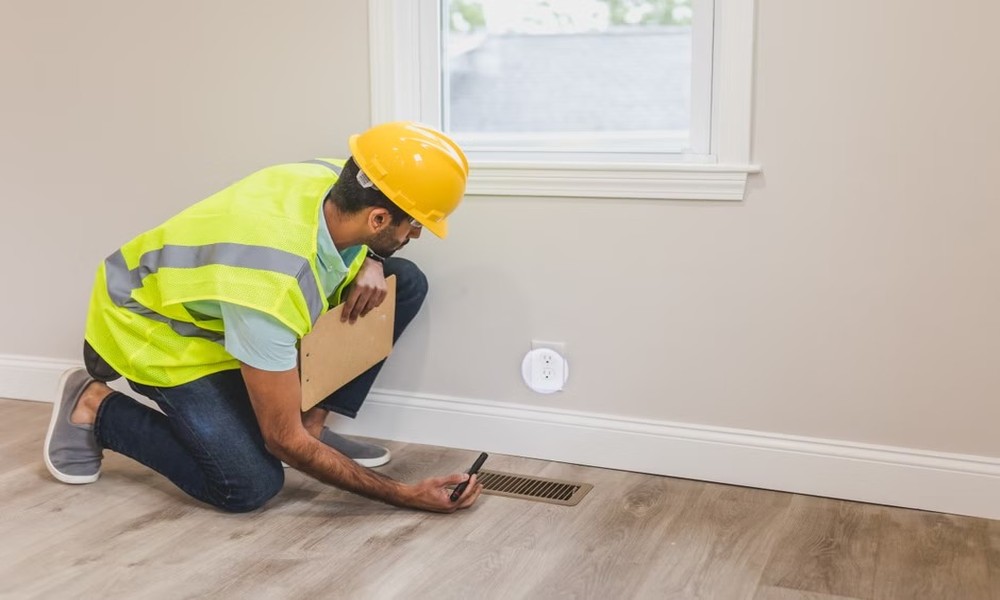
When considering a property, the visible aesthetics often capture our attention first. However, the true long-term comfort and value of a home lie beneath the surface, within its critical operational systems. Before making an offer, we strongly advise a thorough evaluation of the heating, cooling, electrical, and plumbing infrastructure. These systems are the backbone of a comfortable and functional home, and their condition can significantly impact your future expenses and peace of mind.
A professional home inspection is indispensable in this process. It provides an objective assessment of these vital components, identifying potential issues that could lead to costly repairs down the line. We encourage buyers to view this as an investment, not an expense, as it can reveal critical information about a home’s health.
Heating, Cooling, and Ventilation Systems
The HVAC (Heating, Ventilation, and Air Conditioning) system is arguably the most crucial comfort system in any home. Its ability to maintain a consistent and comfortable indoor temperature directly influences daily living. When evaluating a home, we look closely at the type of system (e.g., central air, heat pumps, furnaces, ductless mini-splits), its age, and its overall condition.
Modern heat pumps and ductless mini-splits offer highly efficient heating and cooling, often preferred for their energy-saving capabilities. The lifespan of these systems is also a key consideration; an older unit nearing the end of its life could mean a significant replacement cost shortly after purchase. Furthermore, proper ventilation is essential for indoor air quality and preventing issues like mold and mildew. We also consider how well the system distributes air throughout the home. Issues like How to Avoid Creating Hot Cold Spots in Your Home can indicate inefficiencies or underlying ductwork problems that impact overall comfort. Regular maintenance records can provide valuable insights into how well the system has been cared for, suggesting its likely remaining lifespan and reliability.
Electrical and Water Heating Infrastructure
Beyond temperature control, a home’s electrical and water heating systems are fundamental to comfort and safety. An outdated electrical panel, for instance, might not be able to support the demands of modern electronics and appliances, potentially leading to tripped breakers or even fire hazards. We recommend checking for recent electrical panel upgrades, especially in older homes, to ensure adequate capacity and compliance with current safety codes.
Similarly, the water heating system is a critical component of daily comfort. Traditional tank water heaters have an average lifespan of 10-15 years, while modern tankless systems offer on-demand hot water and greater energy efficiency. Evaluating the age and type of water heater can give buyers an idea of potential replacement costs and ongoing energy expenses. Investing in energy-efficient water heating solutions can lead to substantial long-term savings and enhance a home’s appeal. We also emphasize the importance of safety checks for all electrical and plumbing components, ensuring everything is up to code and functioning correctly.
Enhancing Indoor Air Quality and Efficiency for Marketability
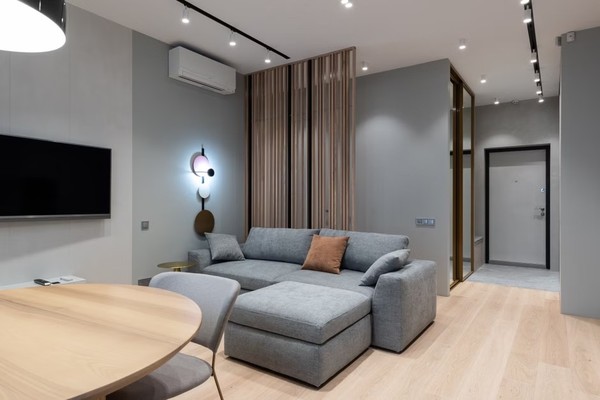
In today’s real estate market, a home’s appeal extends beyond its visual aesthetics and functional systems. Buyers are increasingly prioritizing health and sustainability, making indoor air quality (IAQ) and energy efficiency powerful market differentiators. We’ve seen a growing demand for homes that not only look good but also promote a healthy living environment and offer lower operating costs.
Smart home technology plays a pivotal role in achieving both superior IAQ and efficiency. Integration of these features signals a modern, well-maintained home to prospective buyers, often leading to quicker sales and better offers.
Strategies for Improving Indoor Air Quality
Indoor air quality is a silent but significant contributor to home comfort and health. Poor IAQ can exacerbate allergies, respiratory issues, and generally diminish well-being. For sellers looking to enhance marketability, and buyers evaluating a home’s liveability, focusing on IAQ is crucial.
Simple yet effective strategies include installing high-efficiency air purifiers, which can significantly reduce airborne contaminants. Regular duct cleaning and ensuring proper duct sealing are also vital, as leaky or dirty ducts can circulate dust, allergens, and pollutants throughout the home. We often highlight resources like How to Improve and Maintain Healthy Indoor Air Quality and How to Fight Allergies This Spring and Summer as essential reading for anyone looking to optimize their home’s breathing environment. These improvements not only benefit the occupants but also demonstrate a seller’s commitment to a healthy living space, making the property more attractive.
Smart Thermostats and Automation
Smart thermostats have become a cornerstone of modern home comfort and energy efficiency. These devices, often equipped with AI-powered adjustments, learn household habits and automatically optimize heating and cooling schedules. This intelligence can lead to significant energy savings, with homes equipped with smart thermostats potentially reducing heating and cooling costs by up to 10-15% annually.
Beyond cost savings, smart thermostats offer unparalleled convenience. Occupancy sensors can detect when rooms are empty and adjust temperatures accordingly, preventing energy waste. Remote control capabilities allow homeowners to manage their climate from anywhere via a smartphone app, ensuring a comfortable return home or adjusting settings while away. The seamless integration with other smart home devices creates an automated ecosystem that enhances daily living. For sellers, highlighting a smart thermostat is a clear indicator of a modern, efficient home. For buyers, it represents immediate savings and enhanced control over their living environment.
Transaction Strategies: Warranties, Maintenance, and System Ownership
Navigating the financial aspects of home comfort systems during a real estate transaction can be complex. Both buyers and sellers seek peace of mind regarding the reliability and potential costs associated with these essential systems. This is where home warranties, maintenance plans, and understanding ownership options for comfort systems become critical. We believe that informed decisions in these areas can significantly impact the overall value and satisfaction derived from a property.
Understanding the pros and cons of leasing versus buying new HVAC or comfort systems, for instance, can be a game-changer for budgeting and long-term planning. These strategies offer various levels of protection and financial flexibility, catering to different needs and preferences in the market.
The Role of Home Warranties and Maintenance Plans
Home warranties and maintenance plans serve as crucial safeguards for both parties in a real estate transaction. For buyers, a home warranty provides protection against unexpected repair or replacement costs for major systems and appliances shortly after moving in. Considering that repairing or replacing an air conditioner can cost up to $6,000, a heating system up to $5,600, and a water heater up to $2,000 without a home warranty, the financial security offered is substantial. This coverage can alleviate buyer anxiety about inheriting an older system, providing peace of mind and reducing the immediate financial burden of homeownership.
For sellers, offering a home warranty can be a powerful marketing tool. It signals confidence in the home’s condition and provides an incentive for buyers, potentially speeding up the sale process and even commanding a better price. Maintenance plans, often offered by HVAC and plumbing service providers, ensure that systems are regularly inspected and serviced. This proactive approach helps prevent costly breakdowns, extends the lifespan of equipment, and maintains optimal efficiency. We encourage both buyers and sellers to explore these options to mitigate risk and ensure long-term comfort.
Leasing vs. Buying Comfort Systems
When it comes to acquiring new HVAC or other comfort systems, buyers often face the choice between leasing and outright purchasing. Each option presents distinct advantages and disadvantages that should be carefully weighed.
Leasing a System:
- Pros: Often involves no upfront capital, making it an attractive option for buyers who prefer to conserve cash. Monthly payments typically include installation, routine maintenance, and all repairs (parts & labor), offering predictable budgeting. This can be particularly appealing if a home’s existing system is old and needs immediate replacement, but the buyer doesn’t want to incur a large expense right away.
- Cons: Over the long term, the total cost of leasing can sometimes exceed the cost of purchasing. The system is not owned by the homeowner, which might affect future resale value or customization options. Lease agreements can be complex, and understand terms regarding transferability if the home is sold.
Buying a System:
- Pros: The homeowner gains full ownership of the equipment, providing equity and complete control over maintenance and modifications. Over the system’s lifespan, outright purchase often results in a lower total cost. It can also add to the home’s value, especially if it’s a high-efficiency model.
- Cons: Requires significant upfront capital for purchase and installation. The homeowner is responsible for all maintenance and repair costs, unless a separate service plan is purchased. Unexpected breakdowns can lead to large, unplanned expenses.
The decision between leasing and buying depends on individual financial situations, risk tolerance, and long-term homeownership plans. We advise considering the lifespan of the system, the terms of any lease agreement, and the potential impact on utility bills and future home value.
Frequently Asked Questions About Home Comfort and Real Estate
As experts in home comfort and real estate, we frequently encounter questions from both buyers and sellers navigating this complex intersection. Understanding what to ask, what to look for, and how to prepare can make all the difference in a successful transaction.
What questions should buyers ask about a home’s HVAC and plumbing systems before making an offer?
For buyers, due diligence regarding a home’s essential systems is paramount. We recommend asking the following critical questions:
- What is the age of the HVAC system (furnace, air conditioner, heat pump) and water heater? Knowing the age helps estimate remaining lifespan and potential replacement costs. Most HVAC systems last 10-15 years, and water heaters 10-12 years.
- Are there maintenance records available for these systems? Consistent professional maintenance indicates good care and can extend system life. It also shows a proactive homeowner.
- When was the last time the HVAC system was serviced? A recent tune-up suggests the system is in good working order and helps identify any immediate issues.
- Are there any known issues or past significant repairs for the heating, cooling, or plumbing? Transparency about past problems allows buyers to assess potential future concerns.
- Is the HVAC system properly sized for the home? An improperly sized system will struggle to maintain comfort and operate inefficiently.
- What type of insulation does the home have, and when was it last upgraded? Good insulation works hand-in-hand with HVAC to maintain comfort and efficiency.
- What are the average monthly utility bills (heating, cooling, water)? This provides a real-world estimate of operating costs, which is a key aspect of long-term comfort.
- Is there a home warranty in place, and is it transferable? A transferable warranty can offer immediate protection post-purchase.
How can sellers boost their home’s comfort appeal without major renovations?
Sellers don’t always need to undertake costly renovations to enhance their home’s comfort appeal. Several strategic, often less expensive, improvements can significantly impress buyers:
- Install a Smart Thermostat: As mentioned, these devices offer energy savings and modern convenience, making a home feel current and efficient.
- Perform Deep Duct Cleaning and Sealing: This improves indoor air quality and HVAC efficiency, addressing concerns buyers might have about allergens and energy costs.
- Upgrade Air Filters: Replace standard filters with high-MERV options to demonstrate a commitment to healthy indoor air.
- Improve Indoor Air Quality: Beyond filters and duct cleaning, consider adding subtle, pleasant scents using Eco-Friendly Ways to Make Your Home Smell Better. This creates an inviting atmosphere without masking underlying issues.
- Ensure All Systems Are Maintained: Have a professional HVAC technician perform a tune-up and address any minor issues with plumbing or electrical systems. Provide documentation of this maintenance.
- Seal Drafts: Weatherstripping around doors and windows, and sealing minor cracks, can significantly improve a home’s energy efficiency and eliminate uncomfortable drafts.
- Clean and Declutter: A clean, well-organized home feels more comfortable and cared for. This includes removing personal items to allow buyers to envision themselves in the space.
These actions demonstrate a seller’s attention to detail and commitment to providing a comfortable, efficient living space, often yielding a good return on investment.
How do real estate professionals help clients prioritize comfort and efficiency?
Real estate professionals play a pivotal role in guiding both buyers and sellers through the complexities of home comfort and efficiency. We act as informed advisors, leveraging our expertise to ensure clients make sound decisions.
For buyers, we emphasize the importance of comprehensive home inspections, often recommending trusted inspectors who specialize in HVAC, plumbing, and electrical systems. We help interpret inspection reports, highlighting potential long-term costs or efficiency concerns. We also guide buyers in understanding how a home’s energy efficiency (e.g., insulation, window quality, appliance ratings) will impact their future utility bills and overall comfort. Our role involves connecting buyers with resources to research local climate demands and typical energy costs, ensuring their expectations align with the property’s capabilities.
For sellers, we advise on strategic improvements that enhance comfort and marketability without overcapitalizing. This might involve recommending a pre-listing HVAC inspection, suggesting smart home upgrades, or highlighting the benefits of a home warranty to attract buyers. We help sellers articulate the value of their home’s comfort features, translating technical details into tangible benefits for prospective buyers. For example, the Compass Home Group, having sold over $500 million in real estate and helped more than 1,700 families, exemplifies how experienced professionals can guide clients to prioritize these factors for optimal outcomes. Our goal is to empower clients with the knowledge and resources needed to make comfort and efficiency central to their real estate decisions.
Conclusion
In the dynamic real estate market of June 2026, home comfort is no longer a secondary consideration but a primary driver for both buyers and sellers. From the hum of an efficient HVAC system to the seamless control offered by smart thermostats and the peace of mind provided by home warranties, these elements collectively define the modern living experience. We’ve explored how a home’s essential systems – heating, cooling, electrical, and plumbing – form the bedrock of comfort and how factors like indoor air quality and energy efficiency significantly impact a property’s appeal and long-term value.
Whether you are looking to purchase your dream home or preparing to sell, prioritizing comfort and efficiency is a strategic investment. Buyers who meticulously evaluate these systems will find themselves in homes that offer not just shelter, but a sanctuary of well-being and predictable operating costs. Sellers who proactively enhance their home’s comfort features, even without major renovations, will stand out in a competitive market, attracting discerning buyers who value quality of life and sustainability.
A home is more than just an asset; it’s where life happens. By understanding and valuing the intricate relationship between home comfort and real estate, we empower ourselves to make choices that lead to lasting satisfaction, health, and a truly comfortable living environment.