

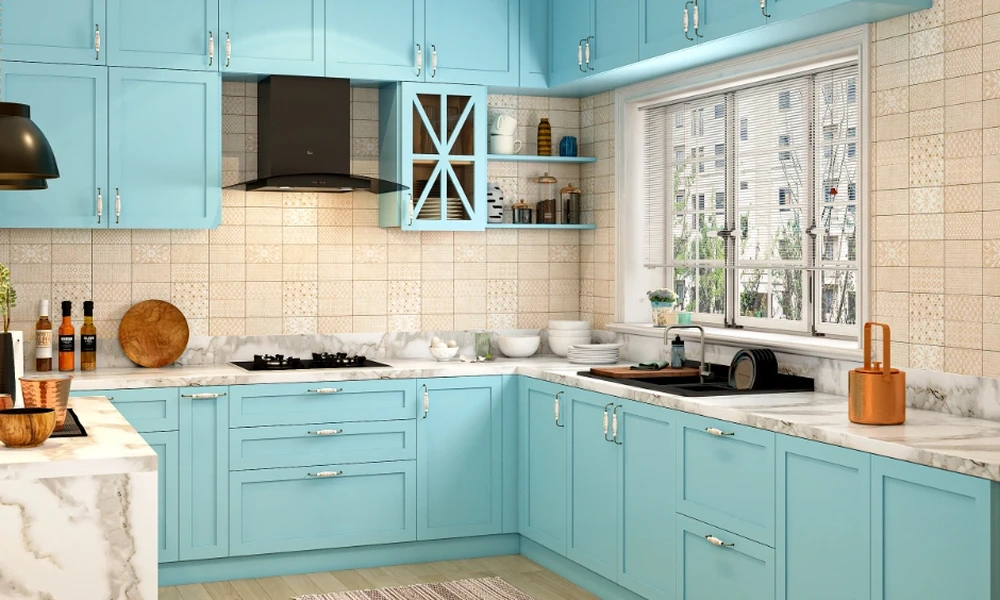
A high-end kitchen asks its electrical plan to satisfy goals that pull against each other: unbroken stone, flattering light, effortless controls and room for the next induction range, all inside a panel sized for another era. In New Jersey the timing adds a twist. The Department of Community Affairs adopted the 2023 National Electrical Code on August 17, 2026, and it became mandatory statewide on February 17, 2027. Under the state’s six-month grace period for subcode revisions, a complete permit application filed before that date can still be reviewed under the 2020 edition, so two kitchens permitted a few weeks apart may answer to different rules.
Those overlapping rules and design tensions are where TWO Electrical Contracting does its best work. Based in Wall Township and led by Todd W. Olsen under New Jersey electrical contractor license #18127, the company specializes in high-end residential and commercial installations, with custom kitchen, bath and master bedroom electrical work and modern lighting and fixture installation at the center of what it does. Homeowners across Monmouth, Ocean and the surrounding Central Jersey counties can book a free estimate, and the 24-hour emergency line covers the night an old circuit gives out halfway through a renovation. The best moment to call is before the cabinet order is final, while the wiring can still shape the design.
Clean Stone Against Power Within Reach
Nobody wants a receptacle punched into a waterfall island, and the 2023 code listens. The 2020 edition required at least one receptacle on an island or peninsula. The 2023 edition drops that requirement, but if the island ships without one, the installer must leave a provision for adding it later. That sounds simple until a stand mixer cord crosses the walkway. Each common fix gives something up.
Face-up pop-up. A receptacle that rises from the countertop when pressed. It disappears when closed, but it must be listed for work surface use and costs far more than a standard device.
Island end panel. A receptacle on the cabinet side rather than the stone. It is cheap and practical, though it interrupts the cabinetry and its placement is checked against your permit’s code edition.
Under-cabinet power strip. A slim strip beneath the upper cabinets. The backsplash stays uninterrupted, but it only serves wall counters.
Future-use provision. A capped box or conduit run into the island base. It costs almost nothing now and saves cutting finished stone later.
Protection matters as much as placement. The 2023 code requires GFCI protection for every 125 to 250 volt receptacle in a kitchen, not only those serving the counter, and it extends that protection to the outlets feeding ranges, wall ovens and cooktops, a change some appliance makers have pushed back on over nuisance tripping. The safety reasoning is hard to argue with, since the Electrical Safety Foundation notes that most home fires start in the kitchen and recommends GFCI-protected outlets for countertop appliances.
Dramatic Light Against Comfortable Light
Kitchen lighting has moved from grids of recessed cans toward layers: linear LED under the uppers, toe-kick strips, glass-front cabinet lighting, statement pendants and a few recessed fixtures. Each layer adds atmosphere along with a driver and something to fail.
Color is the first compromise. Warm light around 2700K to 3000K feels inviting at night, while 3500K to 4000K reads cleaner for prep work. Mixing temperatures looks patchy, so designers usually commit to one, often with dim-to-warm fixtures. A color rendering index of 90 or higher keeps quartz veining and wood tones true.
Fixture type is the second. Canless wafer lights need little ceiling depth, but many have integrated LEDs, so a failed diode means replacing the whole fixture. Placement is the third, because fixtures over the walkway cast the cook’s shadow onto the counter while fixtures near the edge glare off polished stone.
Dimming ties it together and causes the most callbacks. LED drivers and dimmers have to agree with each other, and ENERGY STAR’s dimmable LED guide advises checking the manufacturer’s list of recommended dimmers, noting certified dimmable bulbs dim to at least 20 percent. Low-level flicker is usually a pairing problem, not a wiring fault.
Smart Control Against Simple Operation
Scene keypads are now common in high-end work, and the Matter standard has made mixing brands easier. The trade-off is reliability and ease for everyone in the house. Most smart switches need a neutral at the switch box, which older Shore homes often lack. Wi-Fi switches depend on the router, and a guest facing six unlabeled keypad buttons may simply stand in the dark.
A sensible middle path keeps every zone working from an ordinary wall control when the network drops, with scenes layered on top. The same logic applies in a primary bath or bedroom.
Capacity for Later Against the Budget for Now
This is the least glamorous tension and the costliest to fix afterward. An induction cooktop typically wants a 40 or 50 amp, 240 volt circuit, and wall ovens, steam ovens and warming drawers each add load. Many older homes in Monmouth and Ocean counties still run on 100 amp service, and a proper load calculation sometimes shows the panel cannot carry the new kitchen without an upgrade.
Capacity spending feels unrewarding because nobody sees it, yet a spare 240 volt run to the island or a service upgrade done while walls are open costs a fraction of retrofitting later. The work is permitted through the local construction office, and the township’s electrical subcode official inspects the rough wiring before insulation and drywall and again at final, which is also when an inspector will ask which code edition the application was filed under.
| Tension | Leaning toward the first goal | Leaning toward the second goal | Usually checked at inspection |
|---|---|---|---|
| Clean stone vs. reachable power | Seamless island, cords at mealtime | Easy plug-in, visible devices | Receptacle placement or future provision, GFCI coverage |
| Dramatic vs. comfortable light | Moody layers, more drivers to fail | Even light, flatter look | Fixture ratings, box support, dimmer listing |
| Smart vs. simple control | One-touch scenes, network dependence | Plain switches, fewer features | Neutral at switch boxes, device listing |
| Future capacity vs. current budget | Higher cost now, easy upgrades | Lower cost now, costly retrofits | Load calculation, panel space, circuit sizing |
The order of decisions settles most of these arguments. Capacity comes first because it constrains everything else, receptacles follow the cabinet layout, lighting follows the finishes and controls come last. A kitchen planned in that sequence still involves compromises, but they are chosen on purpose rather than discovered after the stone goes in.