

Homeowners who call an hvac company in Marble Falls usually have temperature on their mind, yet the air coming out of the vents carries much more than heat or cool. Clendennen Services, a NATE certified Carrier dealer working across Kingsland, Burnet, Llano and the rest of the Highland Lakes, lists dehumidifiers, humidifiers, air purifiers and carbon monoxide alarms right beside its repair and installation work, which says a lot about what local houses actually need.
Life near Lake LBJ and Lake Marble Falls means breathing two very different kinds of air depending on the month. Winter fronts arrive dry and full of juniper pollen. Summer settles in heavy and damp. Limestone dust drifts in from caliche roads and new construction most of the year. Every bit of it eventually passes through the same equipment, and each part of that equipment handles a different piece of the load.
The Filter Takes the First Hit
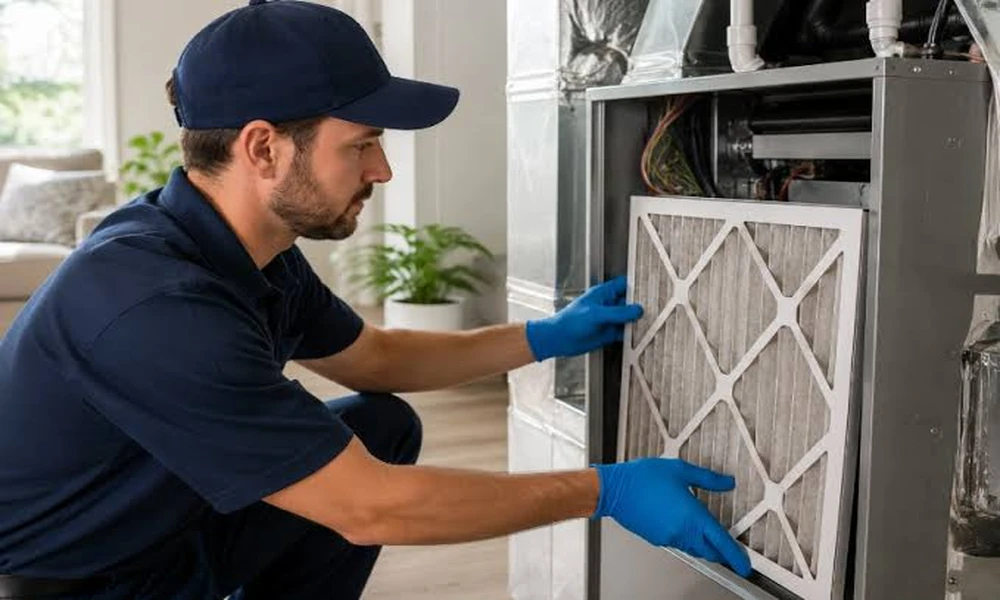
Ashe juniper, the tree everyone around here calls cedar, releases its pollen in winter, usually right after a cold front dries the air and the wind picks up. The Texas A&M Forest Service notes that cedar fever hits hardest west of Interstate 35 and suggests changing home air conditioning filters on heavy pollen days. That advice lands squarely on the Highland Lakes, where junipers cover the hillsides.
Pollen grains are large compared with most household particles, so even a modest filter catches a good share of them. The bigger question is what else you want removed. Filters carry a MERV rating, and the numbers roughly break down this way.
- A MERV 6 to 8 filter traps pollen, dust mites and most visible dust, and it suits most homes with standard returns.
- A MERV 11 filter adds better capture of pet dander and finer dust, which helps during dusty construction seasons.
- A MERV 13 filter catches much of the fine particulate found in wildfire smoke, though it needs a system with enough return airflow to handle the resistance.
That last point matters more than most people realize. Sliding a dense one inch filter into a return built for a cheap fiberglass panel can choke airflow, freeze the indoor coil and raise the power bill. A four or five inch media cabinet spreads the same filtering across more surface, so the blower breathes easier and the filter lasts months longer.
The Coil Fights the Summer Damp
Once pollen season fades, humidity takes over. An air conditioner removes moisture as warm air crosses the cold evaporator coil, water condenses, drips into the pan and leaves through the drain line. When that process works, indoor humidity stays somewhere between 30 and 50 percent and the house feels cooler than the thermostat reading suggests.
Plenty of Hill Country homes miss that range for a few common reasons.
An oversized unit. A system that cools the house in ten minutes shuts off before it has wrung out much moisture, leaving rooms cold but clammy.
A fan left on. Setting the thermostat fan to run constantly sounds harmless, but between cooling cycles it blows across a wet coil and returns moisture to the house.
A slow drain. Algae builds up in the condensate line during long summers, and a clogged line can back water into the pan or the ceiling below.
Musty closets, sweating supply registers and a mildew smell when the system starts are all signs that the coil is losing the moisture battle. A whole home dehumidifier tied into the ductwork can handle the leftover load, which is especially useful in lakefront homes and in houses that sit closed up for weeks.
The Ducts Decide Where Air Comes From
A system can only clean the air it actually pulls through the return. Leaky return ducts running through a hot attic draw in insulation fibers, dust and superheated air before it ever reaches the filter. In older lake cottages with ducts in a crawl space, the leaks can pull in damp earth smells and the occasional critter odor as well.
Signs of trouble here include dust streaks around ceiling registers, rooms that never seem to clean up, and a home that feels dusty within days of a thorough wipe down. Sealing joints with mastic and repairing crushed flex duct often improves air quality more than any upgrade sold in a box, simply because the air stops taking a detour through the attic.
Dry Winter Air Brings Its Own Complaints
The same cold fronts that release cedar pollen also drop indoor humidity sharply, especially in homes heated by heat pumps and electric strip heat. Cracked lips, static shocks, nosebleeds and gaps opening in wood floors all follow. A furnace mounted humidifier adds controlled moisture back during those weeks, though it needs careful settings so windows do not fog and attics do not collect condensation on the coldest nights.
Propane Heat Needs a Watchful Partner
Outside the reach of natural gas lines, many homes from Horseshoe Bay to Buchanan Dam heat with propane furnaces. Burning any fuel indoors creates combustion byproducts, and a cracked heat exchanger or blocked flue can push carbon monoxide into the supply air without any smell at all. A yearly combustion check in the fall, along with working carbon monoxide alarms near sleeping areas and on every level, turns that risk into something you can manage rather than something you discover.
Putting the Pieces Together
Air quality work rarely needs one expensive fix. More often it comes down to matching each part of the system to what this landscape throws at it. A correctly sized cooling system handles the damp. A filter rack designed for real airflow handles the pollen and dust. Sealed ducts keep attic air where it belongs, and accessories such as dehumidifiers, humidifiers or air purifiers fill in the gaps the core equipment cannot reach.
The payoff shows up in small ways. Fewer sneezing fits when the junipers turn orange in January. A house that feels comfortable at 76 degrees in July instead of 72. Dust that stays wiped away a little longer. For families who moved to the Hill Country for the open air outside, it makes sense to give the air inside the same attention.