

Key Takeaways
Enhancing ventilation is where awning windows truly excel. They effectively catch breezes, making them a top choice for improving airflow in homes, even when it’s lightly raining outside.
Strategic placement is key. These windows are perfect for urban settings, enabling maximum airflow despite tight spaces and furniture arrangements, leading to enhanced air exchange.
By reducing reliance on heating and cooling systems, awning windows efficiently boost energy savings, potentially slashing utility bills by up to 15% for homeowners.
With installations that limit air leaks and the option of Low-E glass, awning windows enhance thermal efficiency, contributing to a more comfortable indoor environment throughout the year.
Even though the upfront cost might feel steep, the investment in awning windows pays off in the long run, as it eases the strain on HVAC systems and reduces maintenance over time.
Allowing natural light to pour into the home, these windows maintain privacy by being positioned higher on walls, a versatile design choice that balances function and aesthetics.
Durability stands out among the features of awning windows. Crafted from weather-resistant materials, they require minimal upkeep and can last for decades.
Boosting Home Ventilation with Awning Windows
How Awning Windows Enhance Airflow
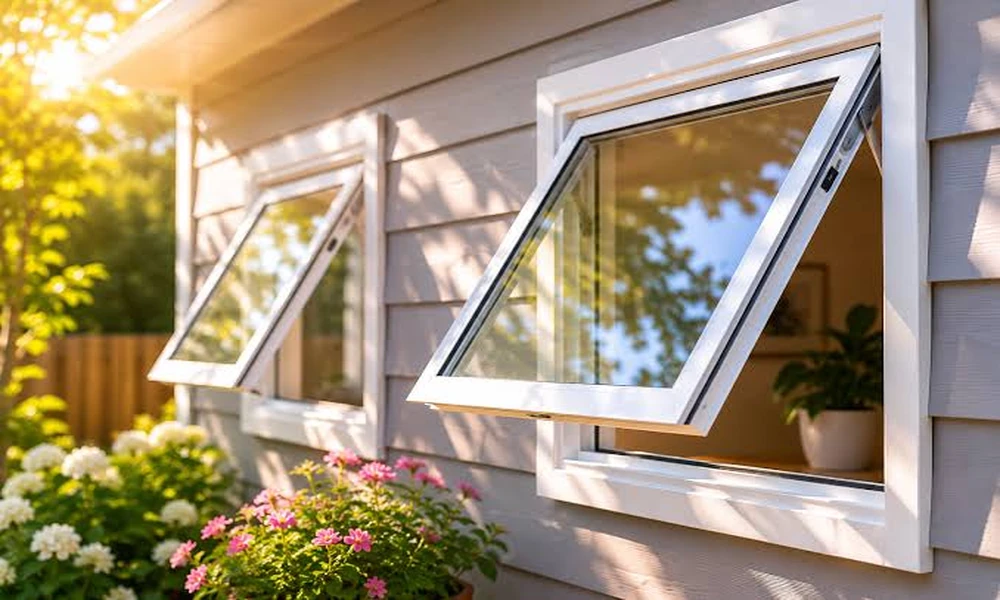
It’s a common myth that all windows provide the same airflow. This can cause homeowners to disregard the unique benefits of awning windows. Hinged at the top and swinging outward, these windows efficiently catch breezes. They’ve been known to refresh indoor environments like nothing else. Whether installed above door frames or tucked away in corners, awning windows promote free air movement, thereby significantly improving home ventilation.
However, simply putting in any window doesn’t assure optimal airflow. The thoughtful design of awning windows plays a pivotal role in guiding winds indoors. Even in light rain, their sloped design ensures that rain stays outside, while fresh air circulates freely. This blend of air circulation and protection makes them invaluable, particularly in humid climates where airflow can combat mustiness and boost comfort.
Optimizing Fresh Air for Tight Spaces
In dense urban settings or smaller homes, maximizing airflow can seem daunting. Awning windows rise to meet this challenge. Their higher placement allows for openings that aren’t hindered by furniture or outdoor barriers, enhancing air exchange quality. Fresh air might struggle to circulate in confined spaces, but strategically placed awning windows effectively address this issue.
Moreover, they can be opened even during impending rain. Imagine a warm summer shower where there’s no need to worry about dampness invading the space, all while fresh, revitalizing breezes come in. Awning windows turn otherwise stagnant rooms into inviting havens, making them ideal for kitchens and bathrooms.
Energy Efficiency: A Big Deal for Utility Bills
The Role of Awning Windows in Insulation
For many homeowners, energy bills represent a significant monthly expense. Installing awning windows can remarkably improve insulation, diminishing the need for heating and cooling systems. These windows fit snugly, reducing air leaks that can negatively affect thermal efficiency. When installed properly, they serve as strong barriers against hot weather and cold drafts.
Research indicates that upgrading to energy-efficient window options can help homeowners save up to 15% on heating and cooling expenses.
The type of glass incorporated into awning windows also contributes to their effectiveness. Using Low-E glass, which reflects heat while letting in natural light, can drastically change a home’s energy profile. As a result, spaces can maintain comfortable temperatures without excessive energy use. Clients often report a significant difference in climate control, boosting both comfort and savings.
Cost Savings Through Smart Window Choices
Cost usually plays a crucial part in selecting window types. However, investing in awning window replacement services can translate to substantial savings. While the initial investment might seem considerable, the long-term rewards can be remarkable. Increased insulation means HVAC systems don’t have to work as hard, which translates to fewer repairs and a longer lifespan for those appliances. Many clients find they require less upkeep on their heating and cooling systems, reflecting the benefits of enhanced insulation.
It’s also worth noting that tax incentives or rebates might apply to certain energy-efficient upgrades. Homeowners should always check local guidelines to find potential benefits. Such actions can ease household financial burdens, making it even more worthwhile to explore available financial assistance when choosing new window systems.
Maximizing Natural Light Without Compromising Privacy
Strategically Placing Awning Windows in Your Home
Natural light can transform spaces, but privacy remains a concern for many. Here’s where awning windows excel once more. Their angled construction allows sunlight to flood in from above, creating an airy feel without sacrificing privacy. By positioning them high on walls, one can enjoy warmth from the sun without exposing anything to onlookers outside.
Thanks to their versatile placement options, the possibilities for design are endless. Whether they accompany larger, more traditional windows or stand alone to make a statement, these windows enrich a home’s aesthetic appeal. More sunlight correlates with a more joyful atmosphere, reinforcing the vital link between bright interiors and overall well-being.
Design Aesthetic: Blending Style with Functionality
Incorporating awning windows into pre-existing architecture doesn’t necessitate a whole redesign. Their sleek lines and practical design can harmonize with various styles, whether traditional or contemporary. Homeowners can choose frame materials and colors that seamlessly match the surrounding decor, boosting curb appeal without compromising on quality.
Furthermore, these windows create exciting focal points in any room. For instance, framing a picturesque view of the garden or skyline can significantly elevate a home’s interior design. The beauty lies in finding that balance where style meets functional purpose. With numerous customization options available, homeowners can truly make these windows reflect their personal taste.
Durability and Maintenance: Long-Term Benefits
Why Awning Windows Stand the Test of Time
Homeowners searching for replacement windows often prioritize longevity. Thankfully, awning windows are built for endurance. Made from high-quality materials like fiberglass and vinyl, they’re resistant to weather and dents, standing up to the elements for many years. Unlike wood frames, these won’t warp or swell due to moisture, maintaining their structure no matter the season.
This robustness equates to fewer repairs and replacements over the years, representing significant value in home improvement endeavors. Homeowners can take comfort in the knowledge that their investment won’t demand constant attention. With minimal care-like routine cleaning and occasional checks-awning windows can remain effective for decades.
Easy Upkeep for Busy Households
In a fast-paced world, homeowners often lack time for extensive maintenance. Awning windows shine in this area. Designed for practicality, these windows can be cleaned from the comfort of indoors, eliminating the need for risky ladders or stretching. A quick wipe down of the glass and frame, and the job is done!
Additionally, the likelihood of damage is low in terms of upkeep. The robust hinges resist rust and corrosion, ensuring the windows remain functional and don’t falter due to neglect. Busy families will find these windows blend effortlessly into their routines, providing essential airflow and aesthetics without the headache of constant maintenance.
In sum, awning windows bring numerous benefits that can transform spaces while increasing value. Their ability to improve ventilation, enhance energy efficiency, and allow natural light in while protecting privacy is invaluable. For anyone contemplating a window replacement, the advantages of awning windows loom large, opening doors to new possibilities in every home.
FAQ
What materials are commonly used for awning windows?
Typically, awning windows are crafted from weather-resistant materials like fiberglass and vinyl. These materials not only boost durability but also lessen maintenance needs compared to traditional wood frames.
Can awning windows be installed in all home styles?
Absolutely! Awning windows are highly adaptable and can enhance both traditional and modern home designs. Their streamlined appearance and customizable frame colors make them suitable for any architectural style.
How do awning windows compare to casement windows?
While both types hinge to open, awning windows project outward from the top, allowing for ventilation even amidst rain. In contrast, casement windows swing open from one side, which might limit their effectiveness during inclement weather.
Will installing awning windows improve resale value?
Definitely. The allure of awning windows can enhance curb appeal and energy efficiency, features that are appealing to potential buyers. Investing in these windows often leads to a favorable return on investment when it comes time to sell a home.
How do awning windows perform in extreme weather conditions?
Thanks to their solid design and construction, awning windows excel in extreme weather. They’re engineered to withstand high winds and resist water infiltration, making them a great choice for a variety of climates.
What maintenance do awning windows require?
Awning windows are designed with low maintenance in mind. A simple clean of the glass and frames from inside is usually enough. Regular checks on hinges and seals will further extend their lifespan.
Are there energy efficiency incentives available for replacing windows?
Many areas offer tax credits or rebates for energy-efficient upgrades, including the installation of awning windows. Homeowners should look into local regulations to see what financial benefits they might qualify for.
What is the ideal placement for awning windows in a home?
Installing awning windows higher on walls maximizes natural light while safeguarding privacy. They’re particularly effective in kitchens and bathrooms, where both ventilation and illumination are crucial without sacrificing concealment.
Useful Resources
- U.S. Department of Energy – Energy Efficiency and Renewable Energy
- NAIOP – Commercial Real Estate Development Association
- National Association of Home Builders
- Owens Corning – Energy Efficiency Solutions
- The Federation of Housing Associations
- Energy Star – Energy Efficiency Program
- BuildingGreen – Sustainable Building Resources
- American Bar Association – Legal Resources for Property Owners
- FEMA – Federal Emergency Management Agency